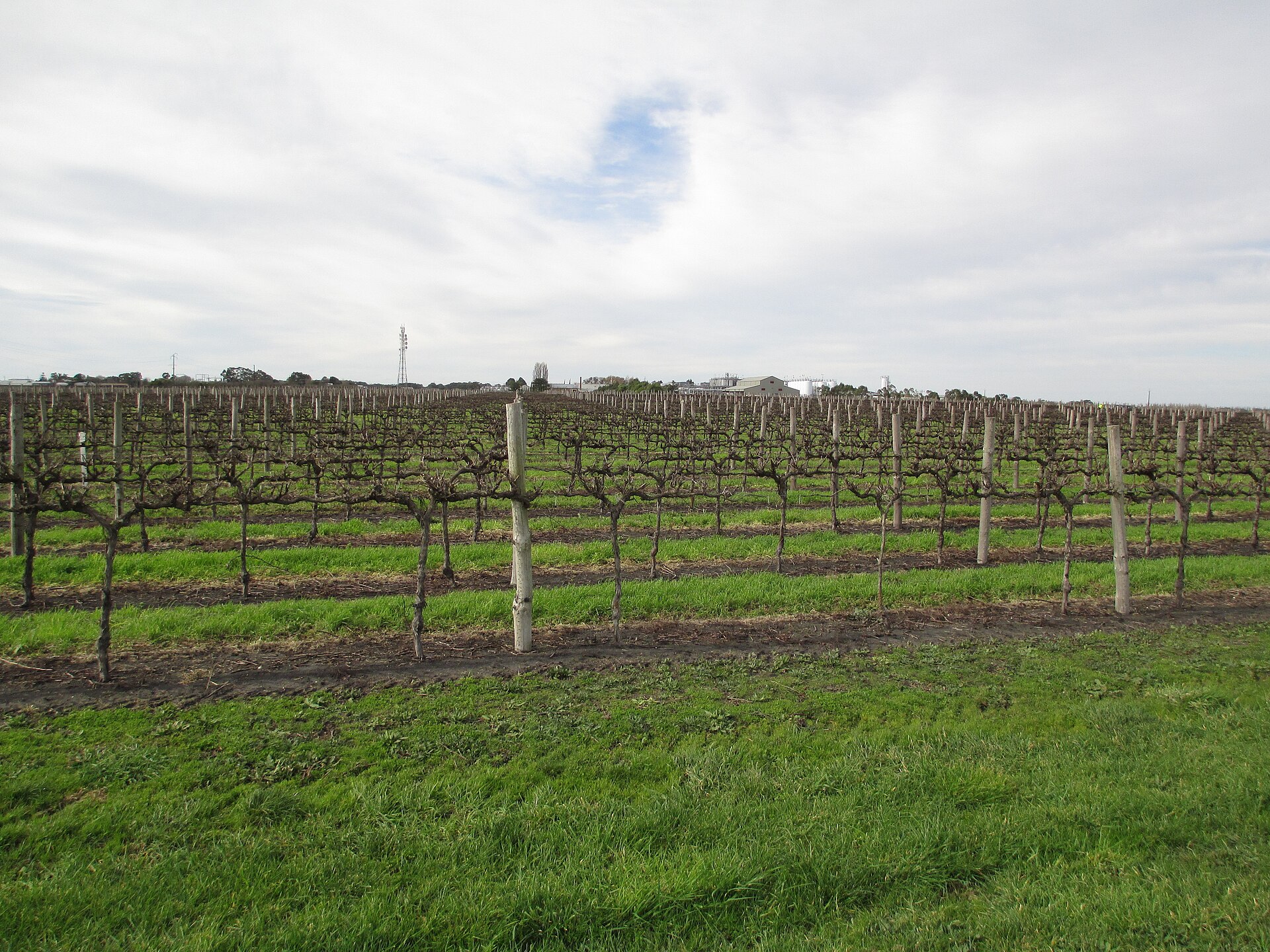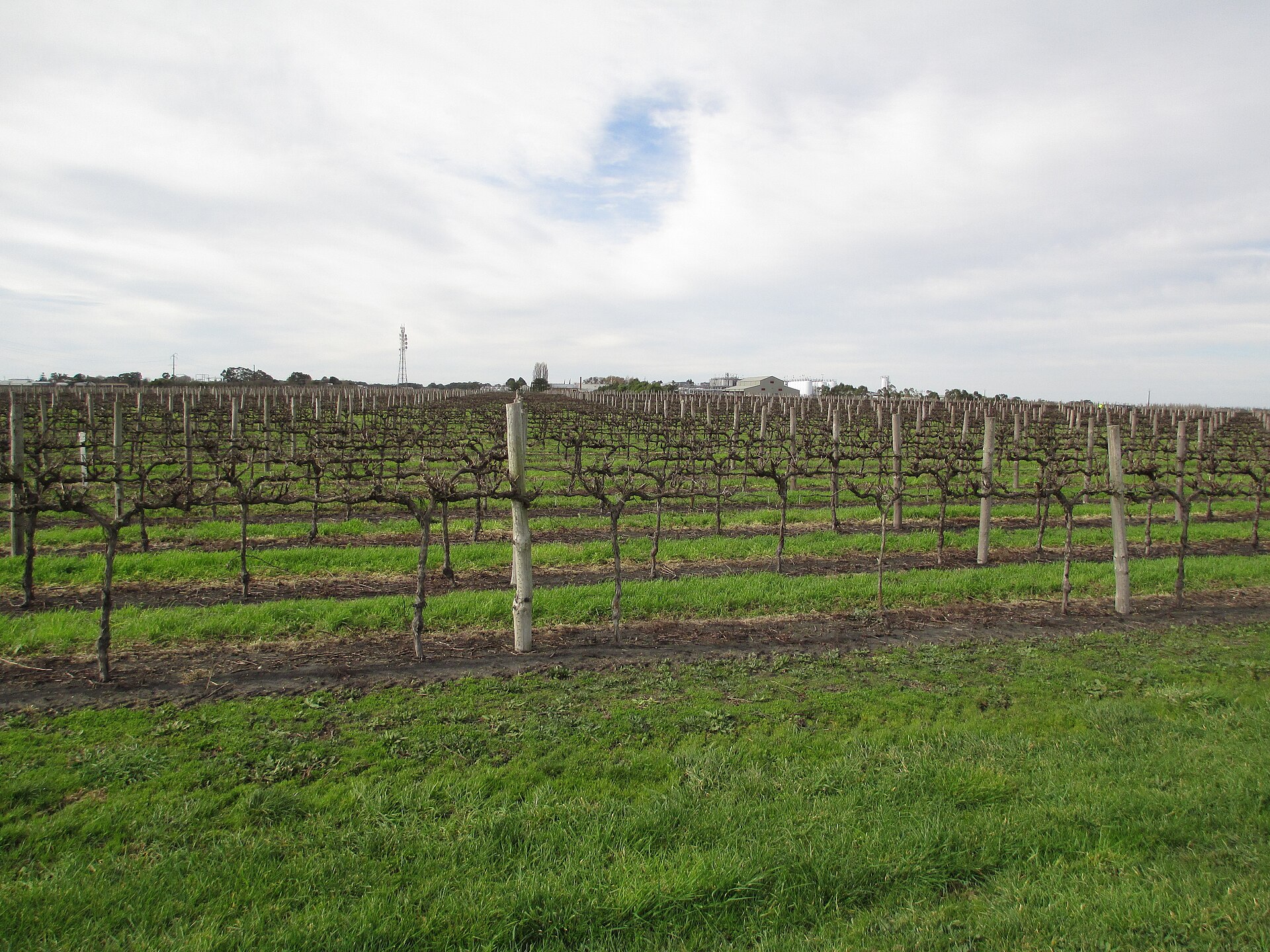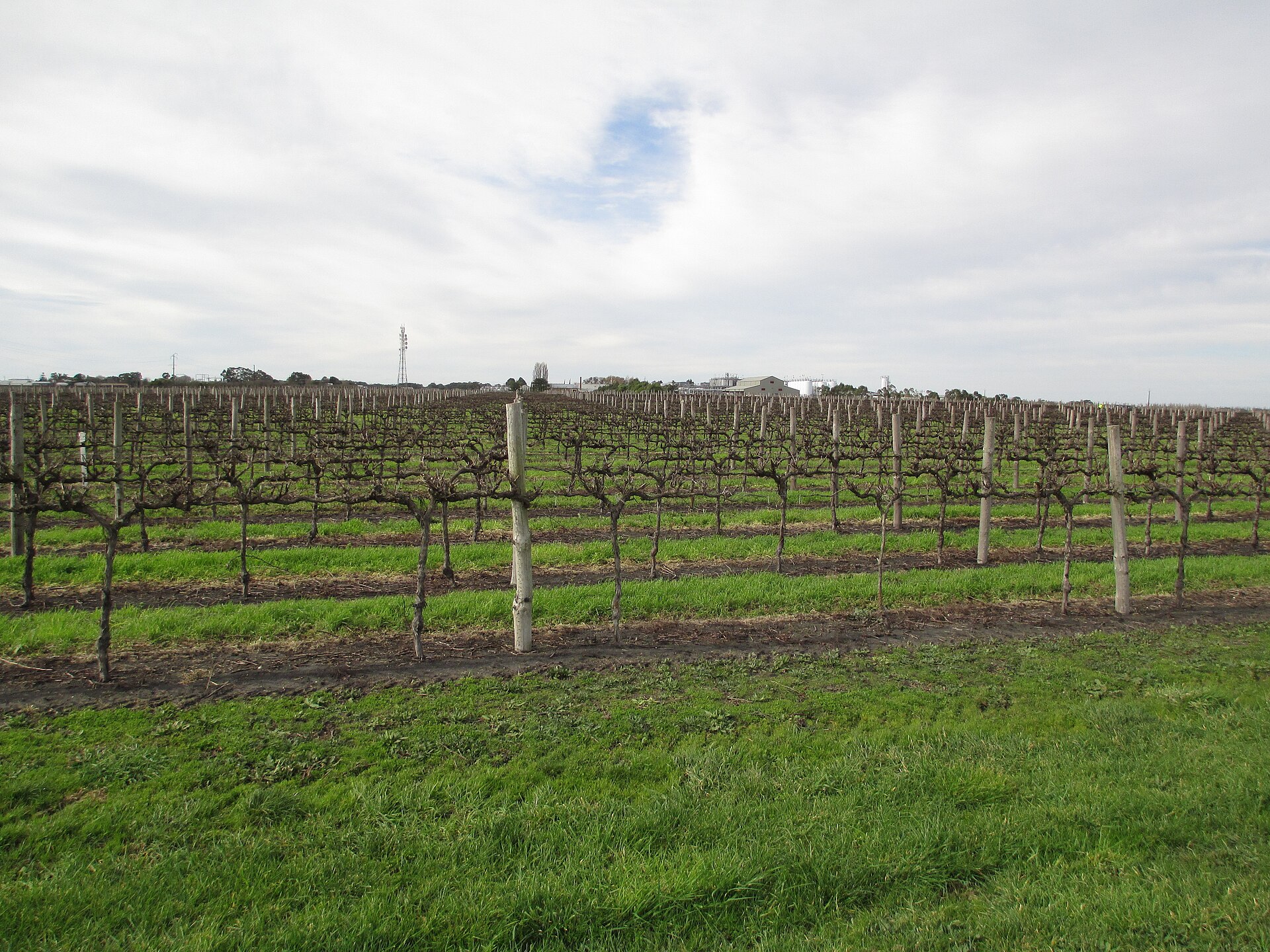
The whole of Coonawarra's reputation rests on a band of red soil barely two kilometres wide. We dig into the terra rossa, the limestone beneath it, and the Cabernet it grows.
Drive the Riddoch Highway north from Penola and, if you know where to look, you can watch the soil change colour. The grey-brown farmland gives way to a strip of vivid red earth, then back again — and that strip, barely two kilometres wide and fifteen long, is Coonawarra.
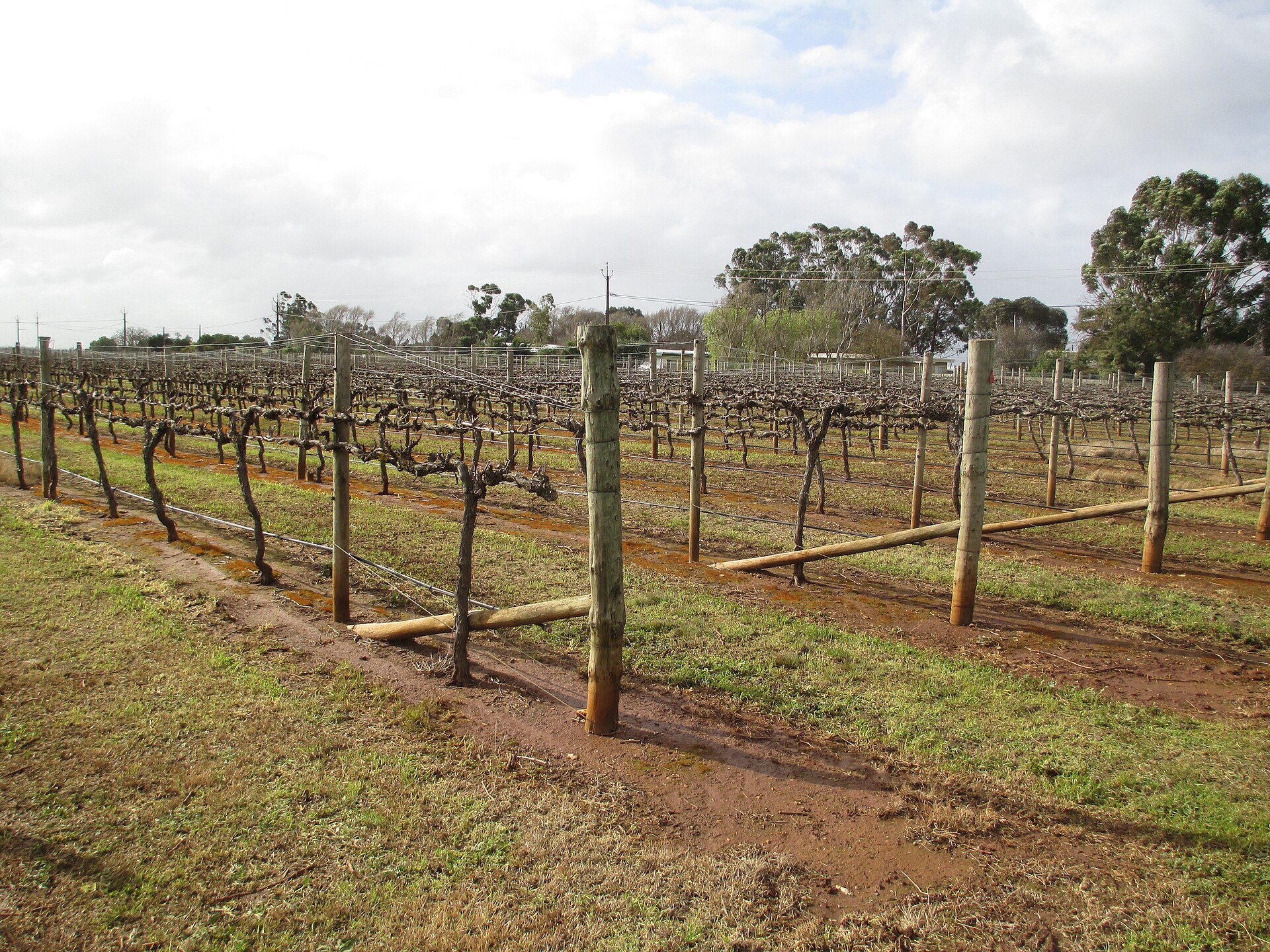
The red soil is terra rossa: a thin, iron-rich clay loam that sits over a bed of soft, free-draining limestone. The combination is almost perfectly suited to vines. The limestone holds moisture deep in dry summers and lets excess water drain in wet ones, while the shallow red topsoil keeps vine vigour in check, concentrating flavour in the fruit. Underneath it all sits a vast aquifer that growers can draw on when the season turns hot.
It was a Scottish-born pastoralist, John Riddoch, who first saw the potential. In the early 1890s he subdivided his Penola estate into fruit blocks and planted vines, building the triple-gabled cellar — now Wynns — that still appears on the label. For decades Coonawarra wine was shipped off in bulk and largely forgotten, until the Cabernet boom of the 1960s and 70s finally put the region on the map.
What makes Coonawarra Cabernet so distinctive is its restraint. The cool maritime climate, moderated by the nearby Southern Ocean, gives a long, slow ripening season that builds structure and savoury complexity rather than sheer ripeness. Classic Coonawarra Cabernet shows blackcurrant and mulberry fruit wrapped around cedar, mint and fine, firm tannins — wines built to age for a decade or more.
You can taste the whole story in an afternoon. Start at Wynns or Katnook for the heritage, call in at Majella, Zema or Penley for the family touch, and finish wherever a winemaker happens to be pouring. Almost every cellar door sits within a few minutes' drive of the next, all strung along the same ribbon of red dirt.