
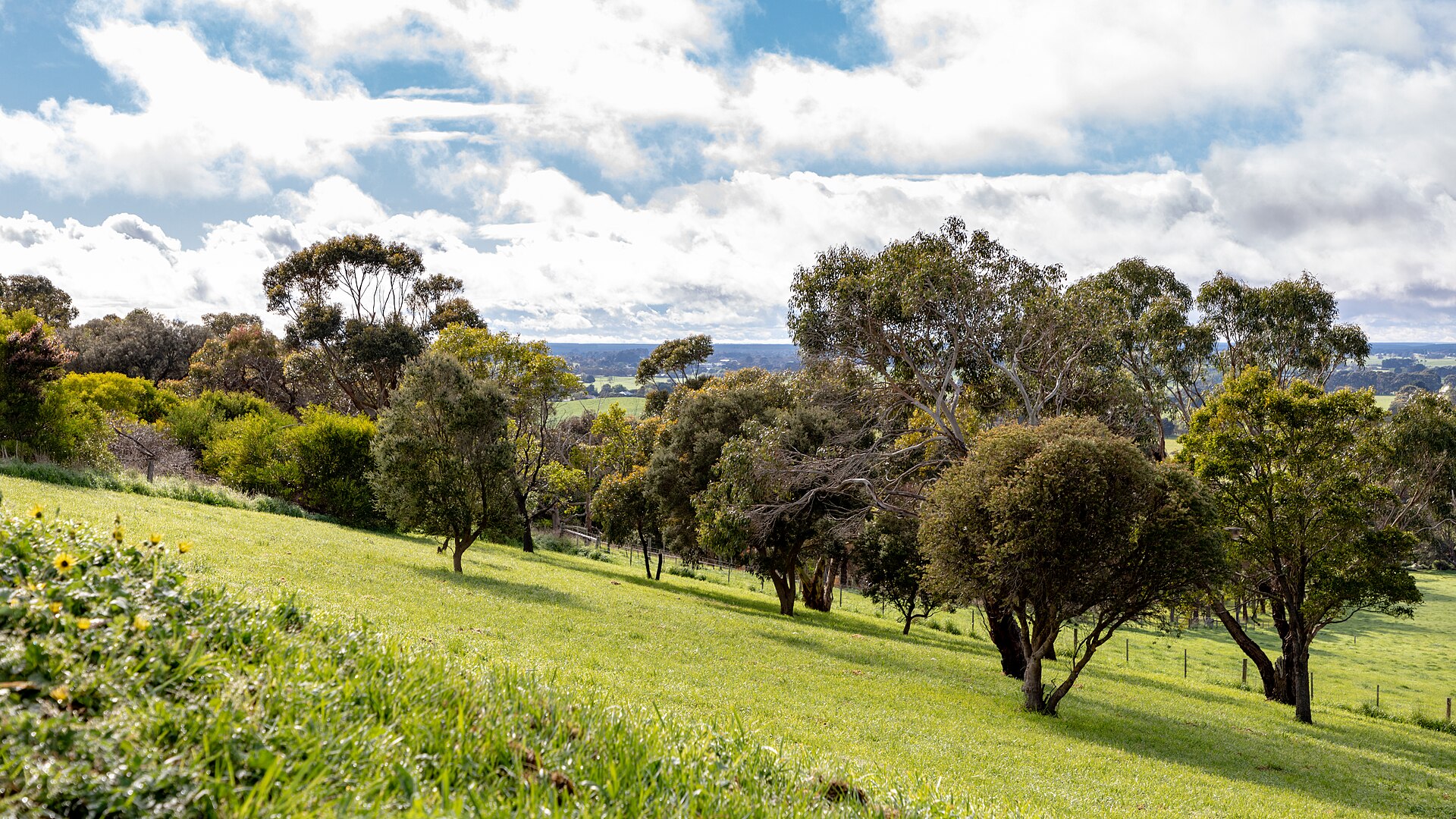
Mount Gambier
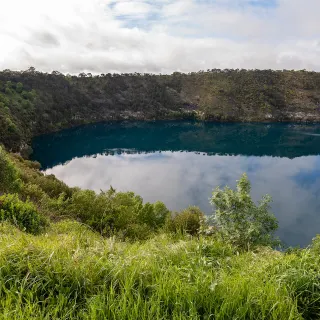
The Limestone Coast's largest city, built on the rim of an extinct volcano and famous for the cobalt-blue crater lake that gives it its name.
A city built on craters and caves
Mount Gambier sits astride a complex of volcanic craters and limestone caverns that surface in the heart of the city. Its centrepiece, the Blue Lake, fills one of these maar craters and turns an astonishing cobalt blue through the warmer months, fading back to a steely grey over winter. The popular Blue Lake circuit loops the rim past lookouts and the neighbouring Leg of Mutton Lake, while the Blue Lake Pumping Station and Aquifer Tour explain the groundwater that feeds the town.
The underground brought to the surface
What makes Mount Gambier unusual is how readily the underground appears in everyday spaces. The Umpherston Sinkhole, a terraced sunken garden planted in the 1880s, and the Cave Garden (Thugi) sit within the city itself, while Engelbrecht Cave runs beneath the streets. The Boandik people, who know the mountain as Berrin, are the area's traditional custodians.
A regional base for the Limestone Coast
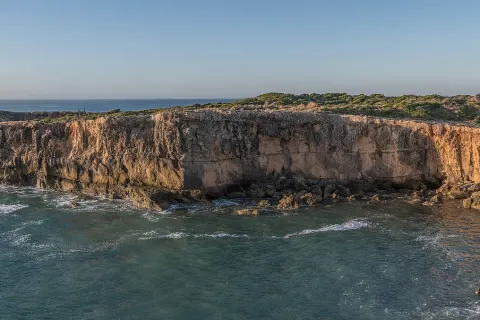
As South Australia's largest regional city, and roughly halfway between Adelaide and Melbourne, Mount Gambier makes a natural base. From here it is an easy run to coastal reserves such as Piccaninnie Ponds, Ewens Ponds, Cape Banks Lighthouse and the Admella Discovery Trail.
Visiting Mount Gambier - frequently asked questions
What is Mount Gambier known for?
Mount Gambier is best known for its volcanic and limestone landscape, especially the Blue Lake, which shifts to a vivid cobalt blue through the warmer months before fading to a steely grey in winter. The city also sits above a network of sinkholes and caves, including the Umpherston Sinkhole, Cave Garden and Engelbrecht Cave, all close to or within the city centre.
How far is Mount Gambier from Adelaide?
Mount Gambier is about 440 kilometres south-east of Adelaide, which is roughly a four-and-a-half to five-hour drive. It lies close to the Victorian border and sits roughly halfway between Adelaide and Melbourne, making it a common stop on the drive between the two cities.
Why does the Blue Lake change colour?
The Blue Lake turns an intense blue from around late spring into summer, then fades to a duller grey-blue over the cooler months. The shift is linked to the warmer, higher summer sun and to fine particles of calcium carbonate that form in the water and scatter blue light, and it returns each year on a similar cycle.
What is there to do in Mount Gambier?
Visitors can walk the Blue Lake circuit around the crater rim, descend into the Umpherston Sinkhole and Cave Garden, and explore Engelbrecht Cave beneath the city. The Blue Lake Pumping Station and Aquifer Tour explain the local groundwater, while nearby reserves such as Piccaninnie Ponds and Ewens Ponds offer clear-water snorkelling and diving.
When is the best time to visit Mount Gambier?
Late spring through summer is popular because the Blue Lake is at its most vivid and the days are longer and milder for walking the crater rim. The cooler months are quieter and still rewarding, though the lake takes on a more subdued grey-blue tone during that period.
Things to do in Mount Gambier
23 places in this category
No places in this category here yet.
Stories from Mount Gambier
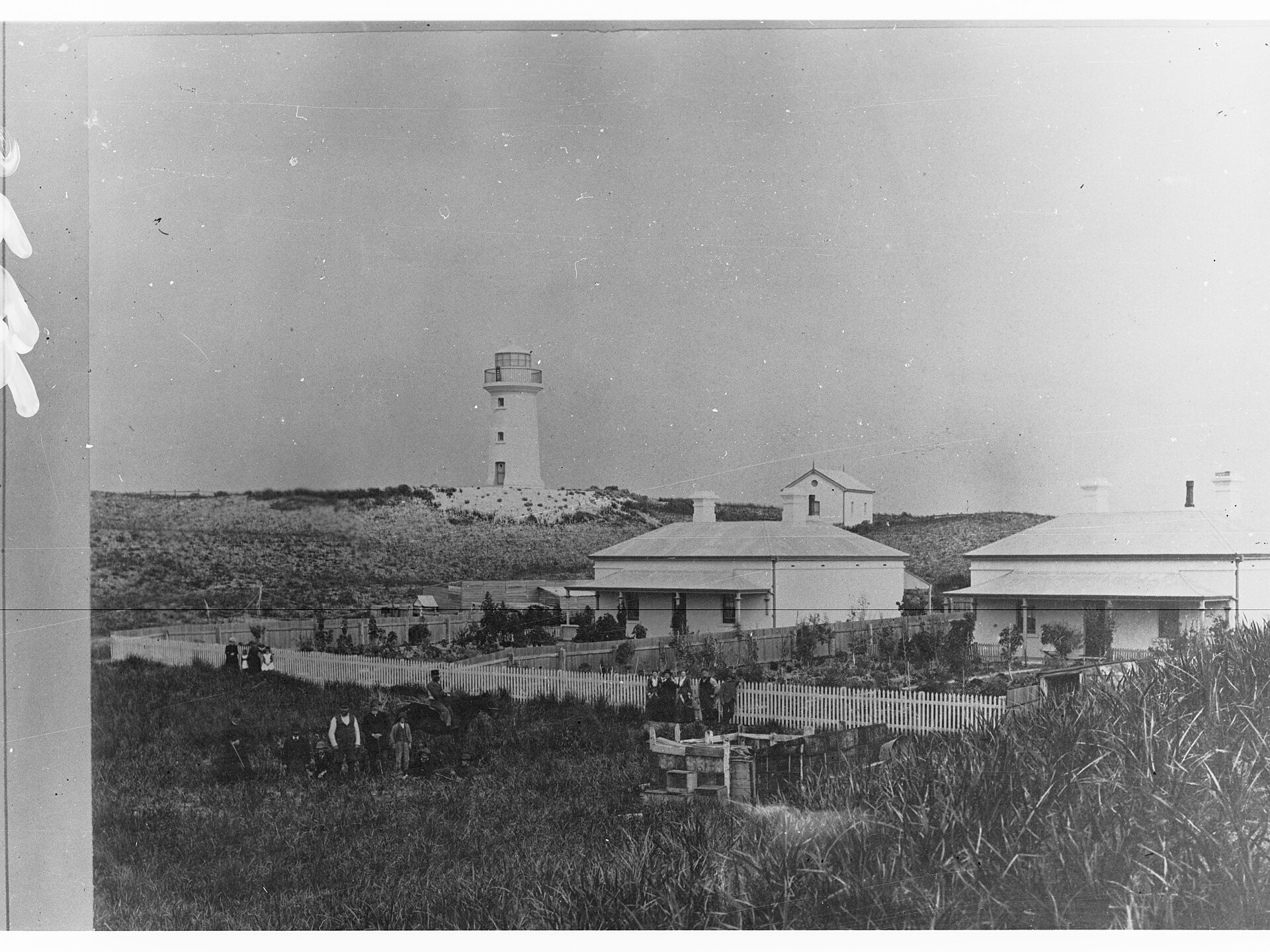
The Wreck of the Admella
In August 1859 the steamer Admella struck a reef off Cape Banks and broke apart in minutes. The week that followed became one of the most harrowing stories on the Australian coast.
June 2026 · 7 min read
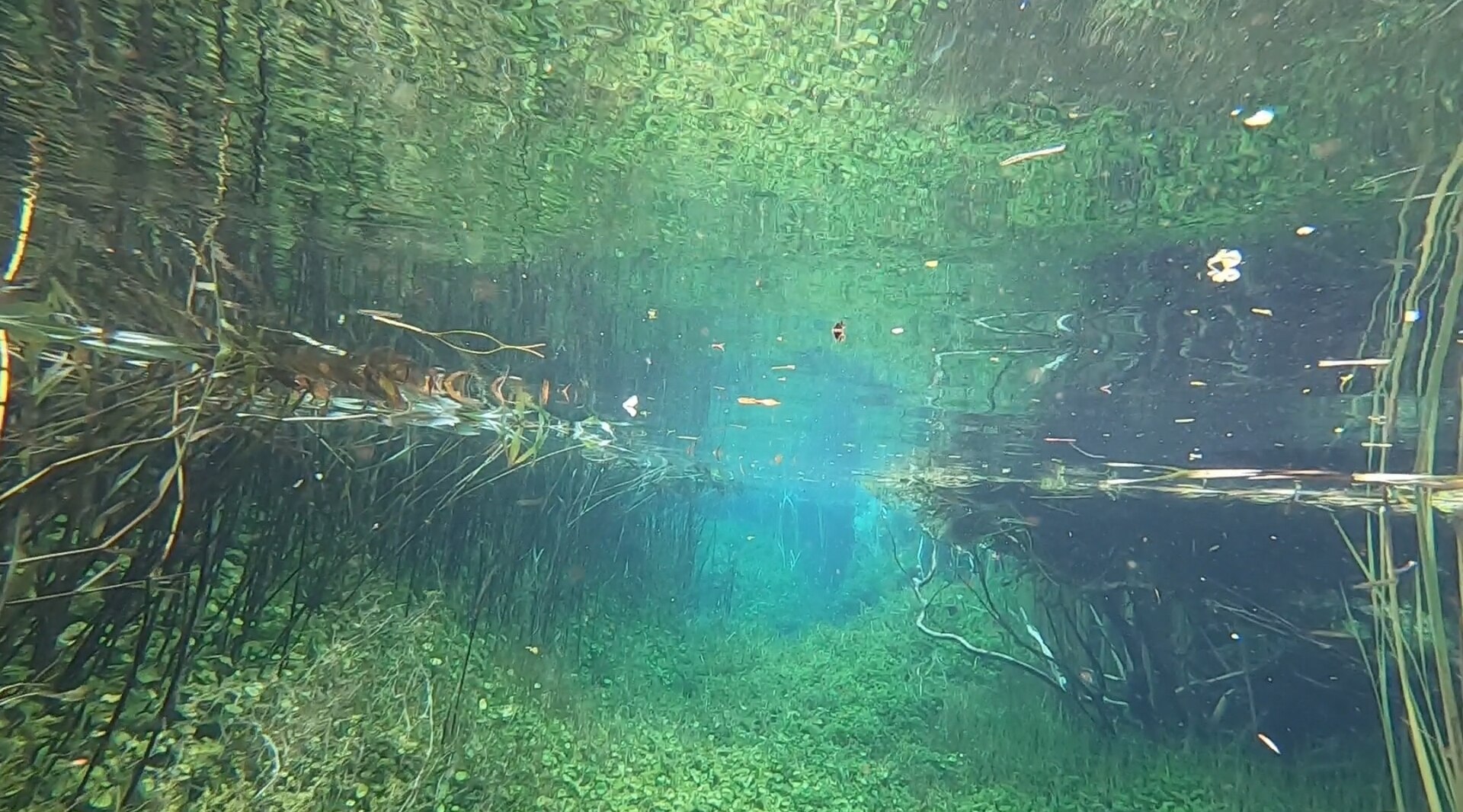
How Mount Gambier Became Australia's Cave-Diving Capital
The water-filled sinkholes around Mount Gambier draw divers from around the world, into some of the most beautiful and demanding underwater caves on Earth.
June 2026 · 7 min read
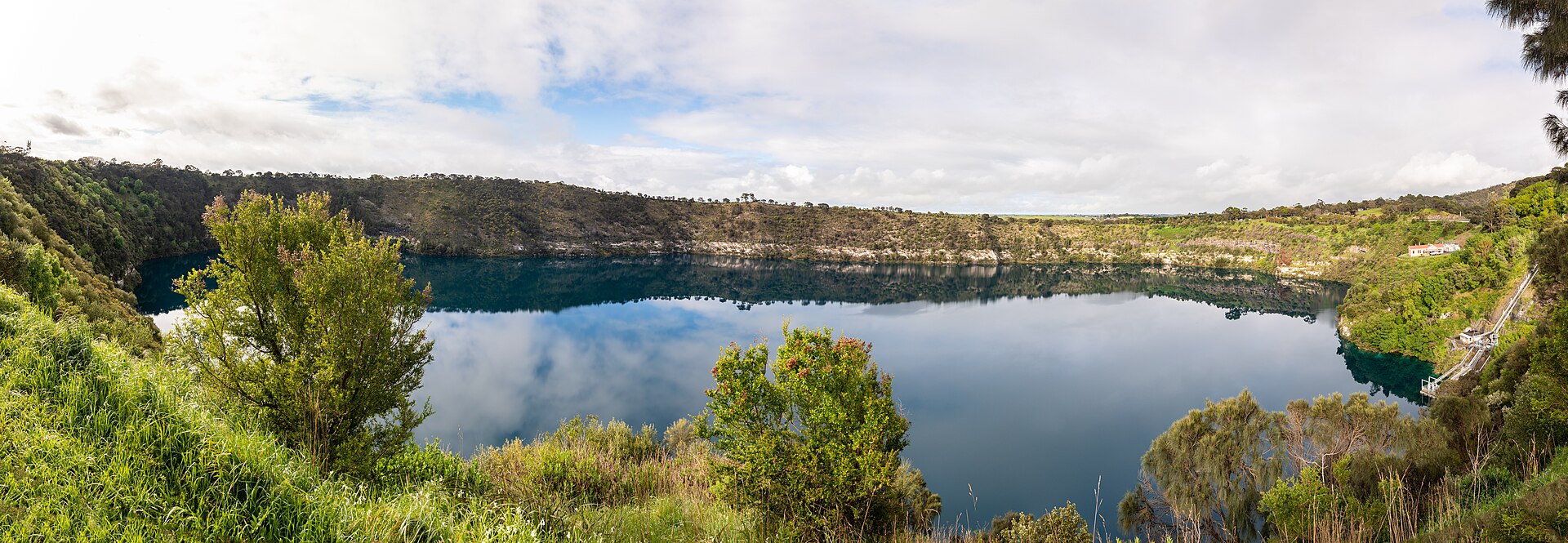
Mount Gambier's Blue Lake
Each summer the Blue Lake turns an almost unreal shade of cobalt. We explain the volcanic story behind it and how to see it at its best.
June 2026 · 6 min read
Image credits
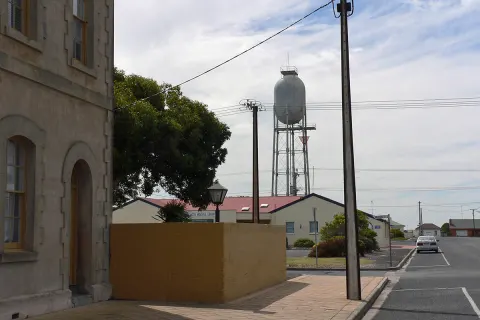
- Mount Gambier (AU), View from Mount Gambier -- 2019 -- 0722.jpg by Dietmar Rabich , CC BY-SA 4.0 via Wikimedia Commons