

By James Pellier · · 6 min read
Coonawarra's fame rests on a cigar-shaped strip of red terra rossa soil over limestone. Here is why those few kilometres matter so much.
A cigar of red earth
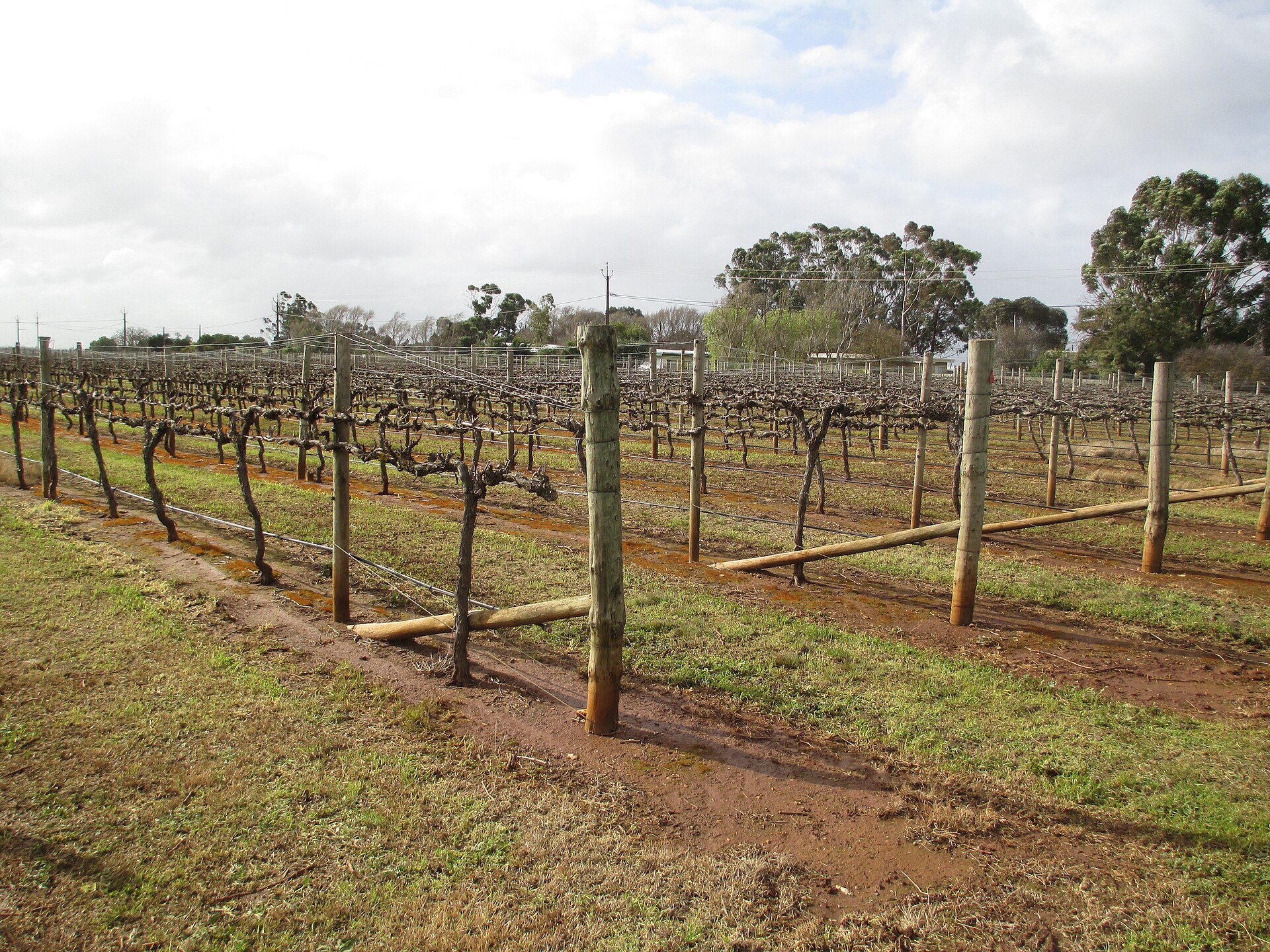
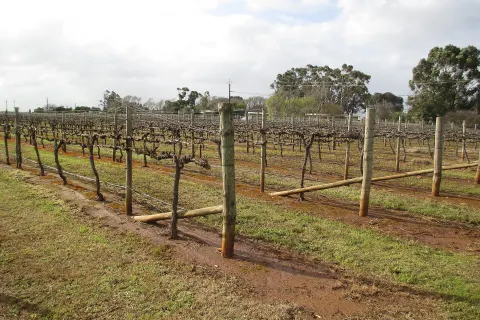
Coonawarra is unusual among great wine regions in being defined almost entirely by its soil. The prized vineyards sit on a narrow strip, roughly 15 kilometres long and barely a kilometre or two wide, of red terra rossa clay over a bed of soft limestone.
This thin band of red earth, shaped like a cigar, is what growers and winemakers mean when they talk about being on or off the strip. Vines on the terra rossa command a premium that those on the surrounding black soils rarely match.
Why the soil works
The terra rossa drains well and warms quickly, while the limestone beneath holds just enough moisture and allows roots to penetrate deeply. Combined with the cool maritime climate of the far south-east, it produces Cabernet Sauvignon of remarkable structure, perfume and longevity.
A region built on Cabernet
From John Riddoch's fruit colony of the 1890s grew a region now synonymous with Australian Cabernet. Names like Wynns, Brand's Laira and Bowen built their reputations here, and the iconic triple-gabled Wynns cellar has become the visual shorthand for the whole district.
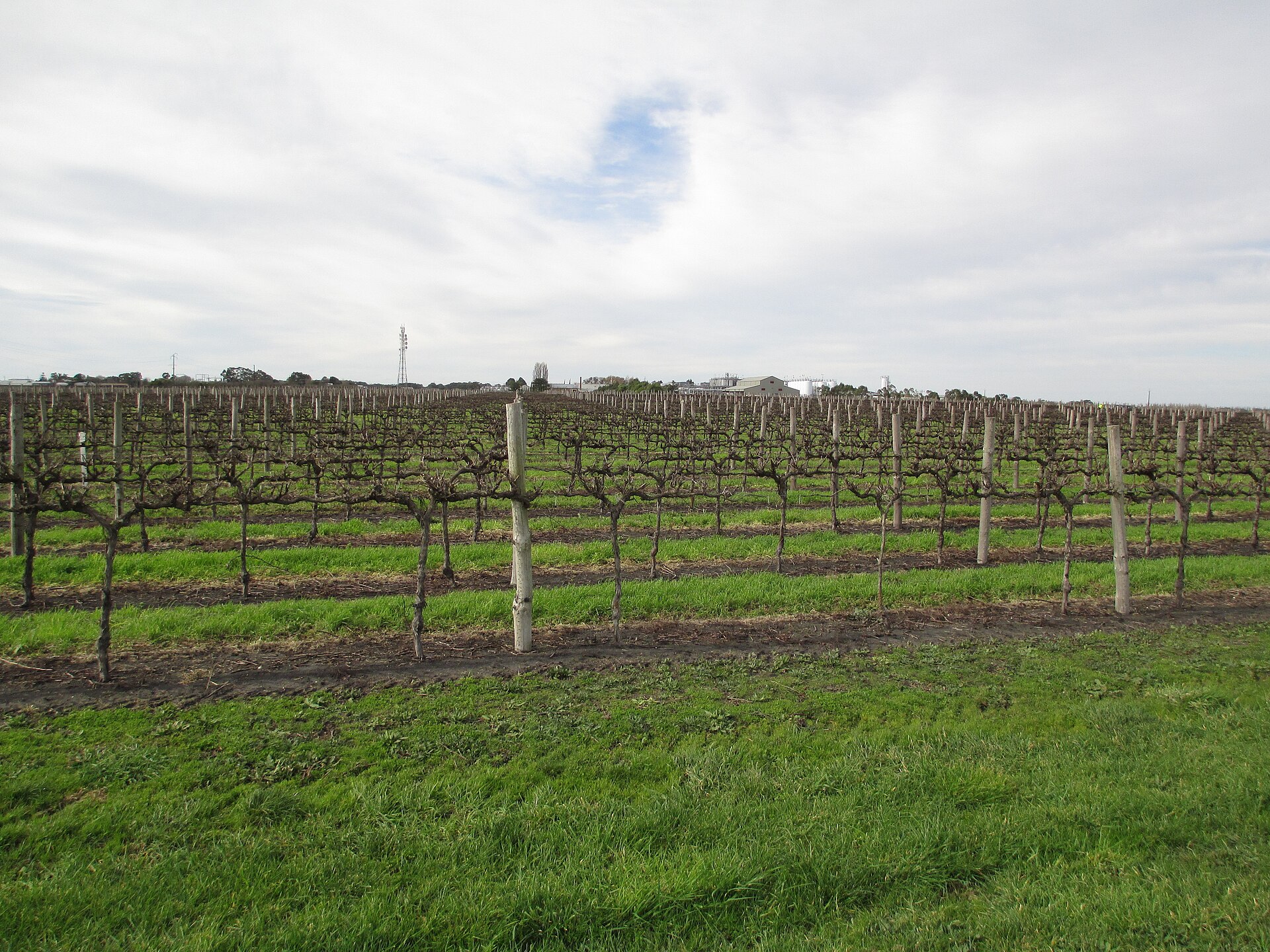
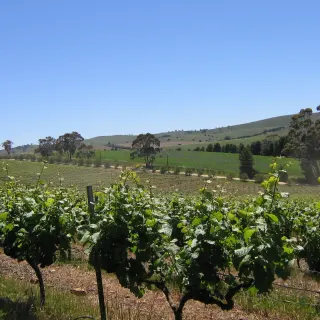
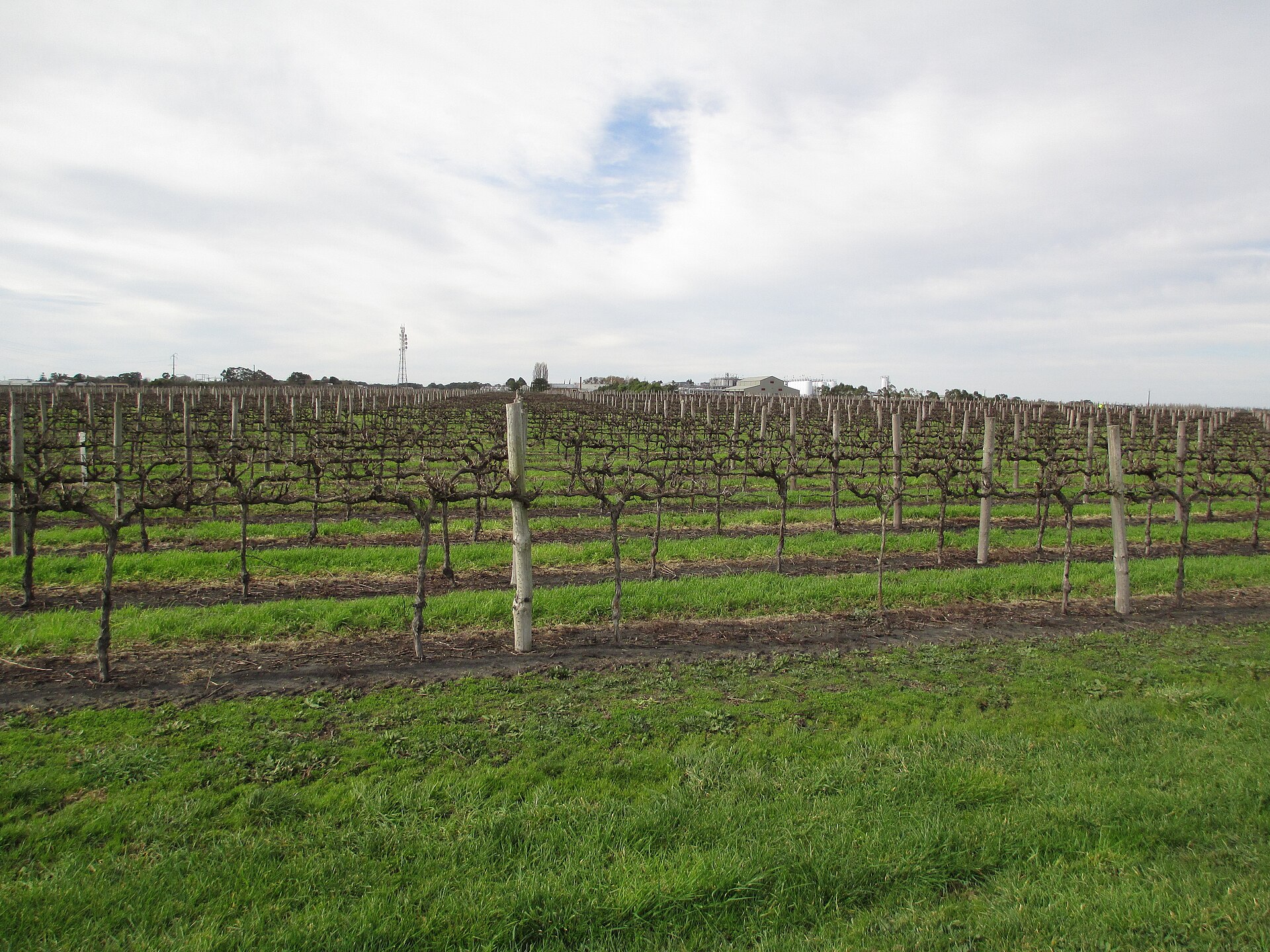
To drive the strip is to understand Coonawarra: kilometre after kilometre of vines on glowing red soil, all drawing on the same narrow geological accident that makes the wine.