






By Discover the Limestone Coast · · 6 min read
In the dark chambers beneath Naracoorte lies one of the richest fossil deposits on Earth - the bones of giant marsupials that fell into pit traps over hundreds of thousands of years.
A trap set in stone
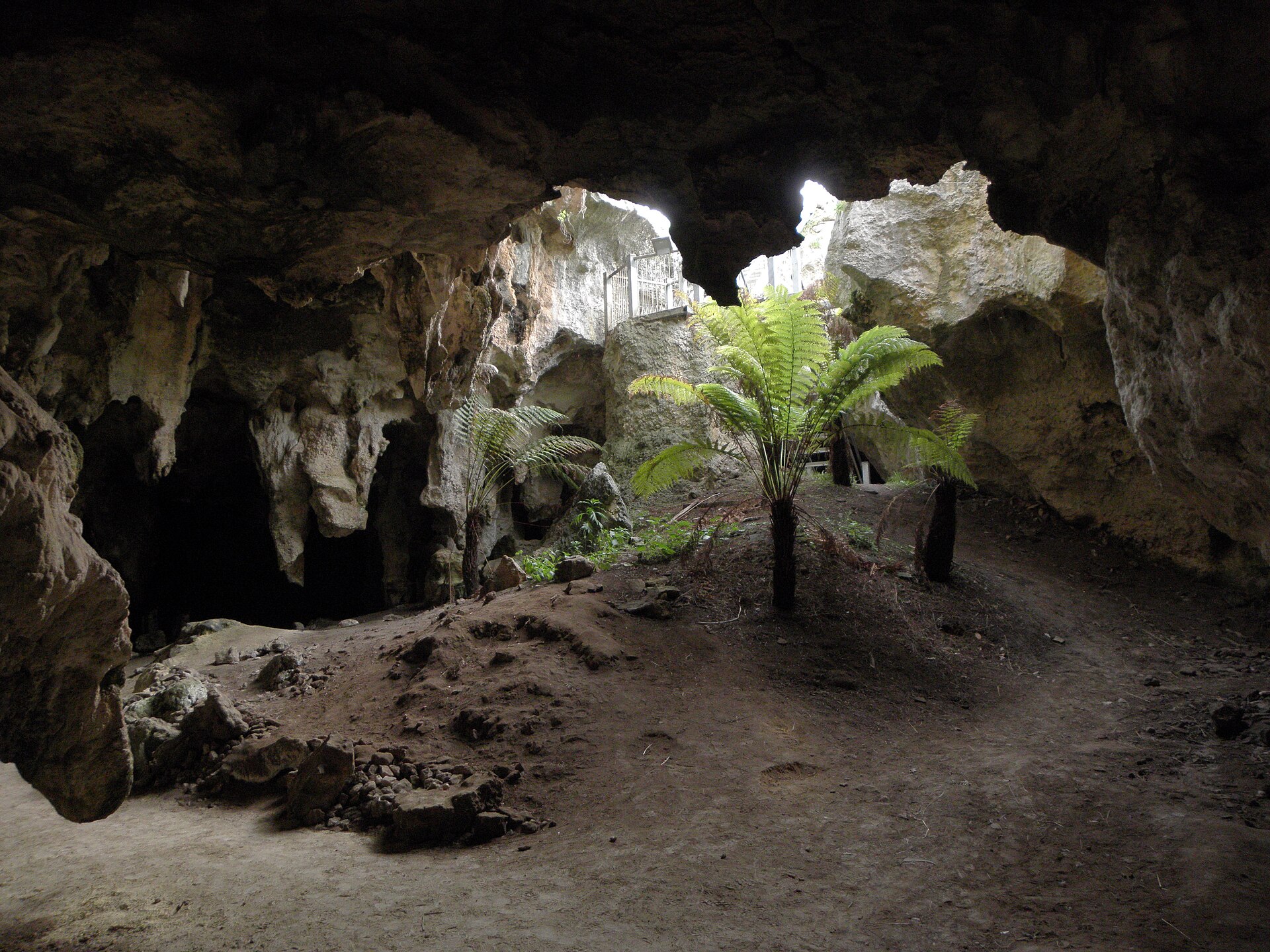
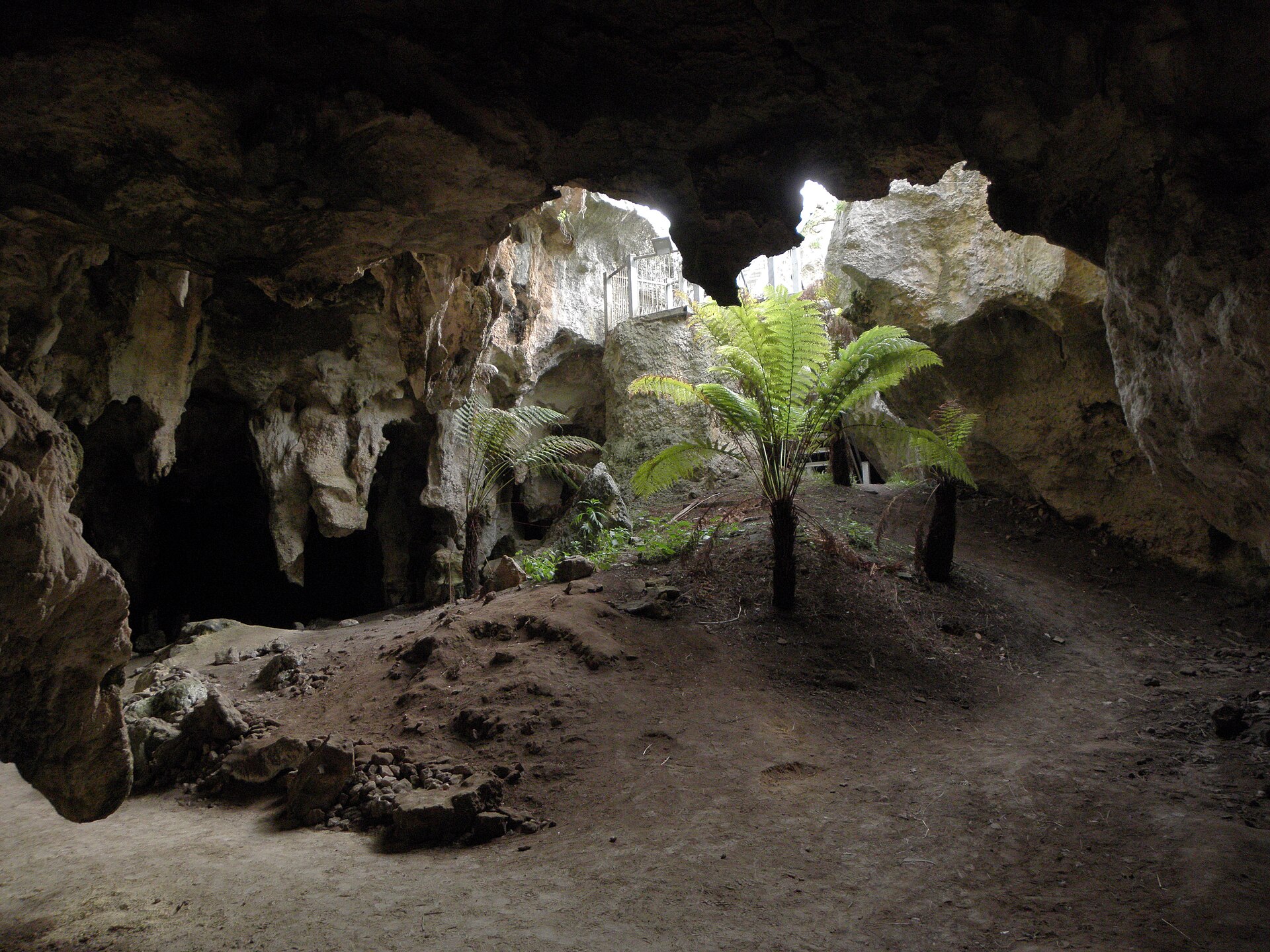
Naracoorte Caves is one of only two World Heritage sites in South Australia, and the reason lies underground. Over hundreds of thousands of years, animals tumbled through openings in the limestone into chambers they could not escape, and their bones accumulated layer upon layer in the dark.
The result is one of the world's best-preserved fossil records of the last half-million years, capturing the rise and fall of Australia's megafauna - giant kangaroos, the marsupial lion Thylacoleo, and the rhino-sized Diprotodon.
What you can see
The Victoria Fossil Cave lets visitors stand among bones still set in the cave floor, while the Wonambi Fossil Centre reconstructs the megafauna as living animals. Above ground, the Bat Cave's resident bent-wing bats are watched on infrared as they swirl out at dusk.
Why it matters
Naracoorte is not just a spectacle. It is a continuous scientific archive, still being excavated, that tells us how Australia's wildlife responded to a changing climate long before humans arrived - and what was lost when they did.