






By Dr Helen Crane · · 7 min read
For hundreds of thousands of years, the caves at Naracoorte trapped and preserved the giant beasts of ice-age Australia. Their bones tell an unmatched story.
A natural trap
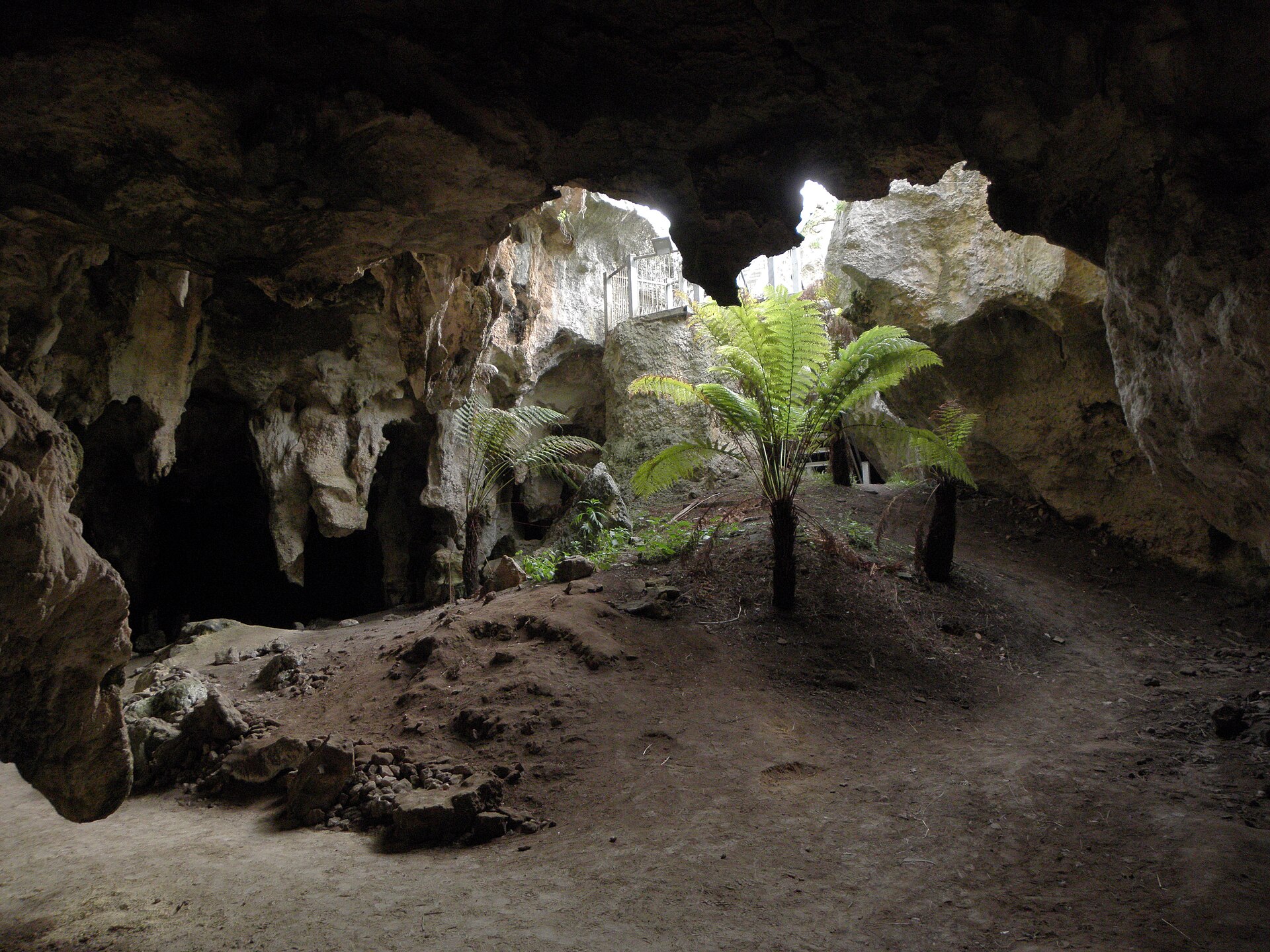
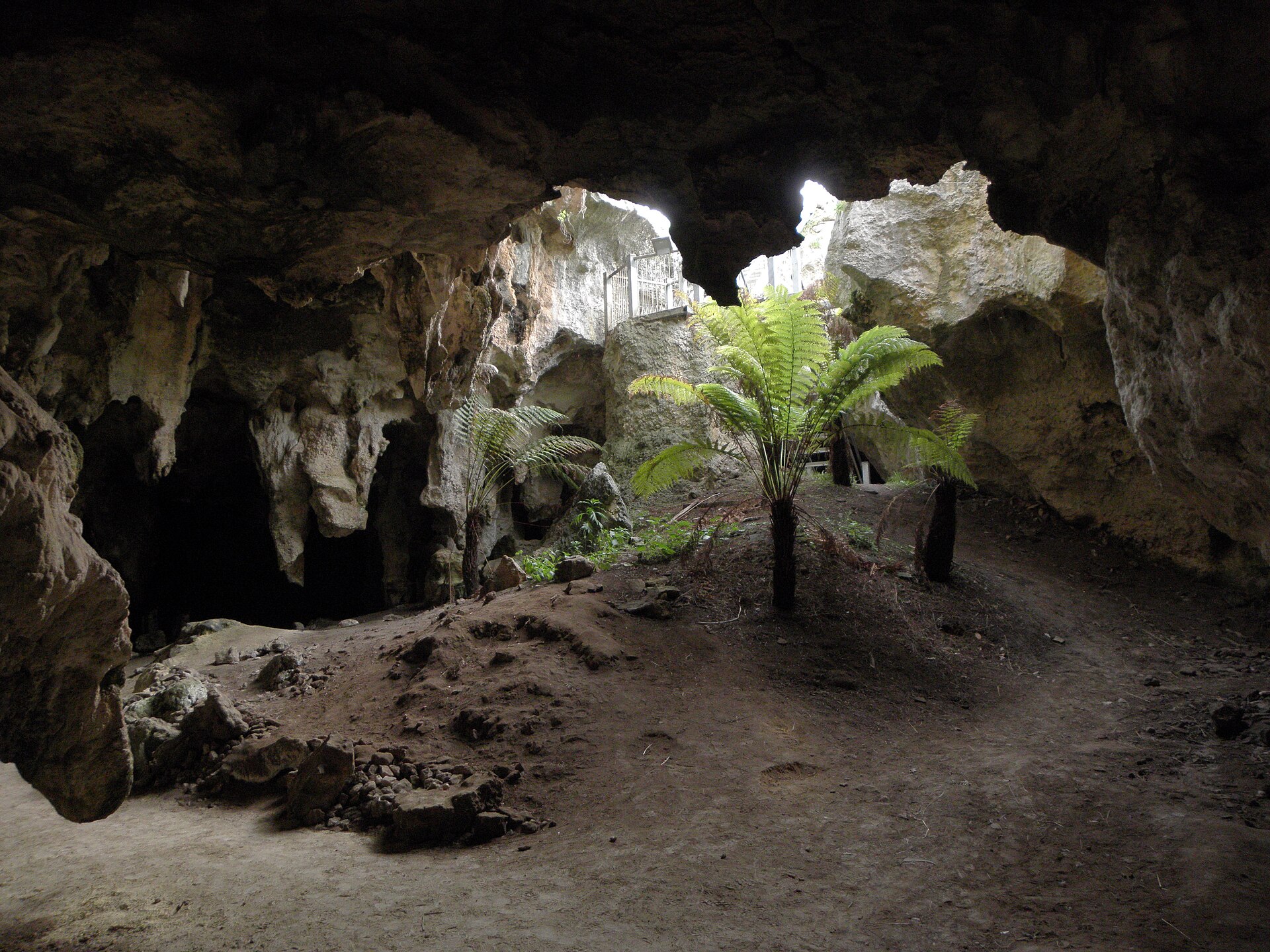
For at least half a million years, the caves beneath the Naracoorte plain acted as pitfall traps. Animals fell through hidden openings into the chambers below and could not climb out, and over millennia their bones accumulated in vast, layered deposits.
The result is one of the richest and most complete fossil records of its kind anywhere on Earth, capturing the rise and fall of Australia's megafauna across multiple ice ages.
Giants of the south
The bones tell of a lost Australia: the rhino-sized Diprotodon, the marsupial lion Thylacoleo with its bone-cracking jaws, giant short-faced kangaroos and the huge snake Wonambi. The 1969 breakthrough into the Victoria Fossil Cave revealed these creatures in extraordinary abundance.
World Heritage
In 1994 Naracoorte was inscribed on the World Heritage List, the only such site in South Australia, recognised alongside Riversleigh as a place of outstanding importance for understanding the evolution of Australia's unique fauna.
Today visitors can tour the active dig in the Victoria Fossil Cave and see the megafauna brought to life at the Wonambi Fossil Centre, standing face to face with a vanished world preserved in stone.