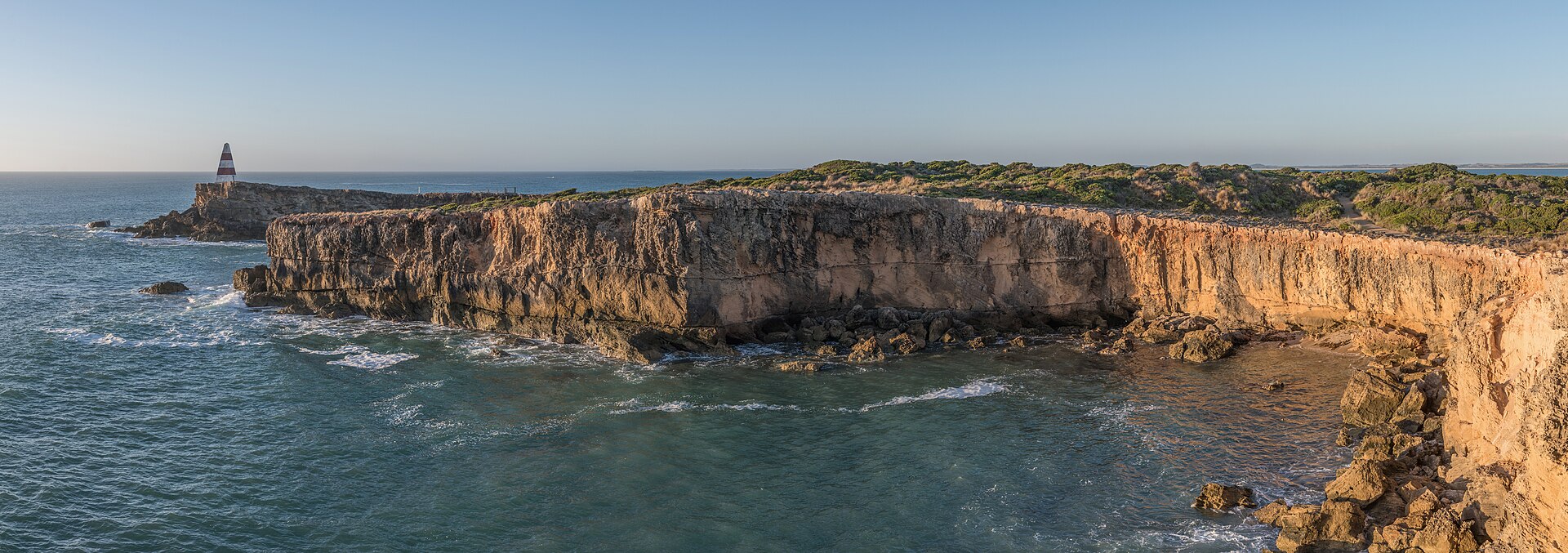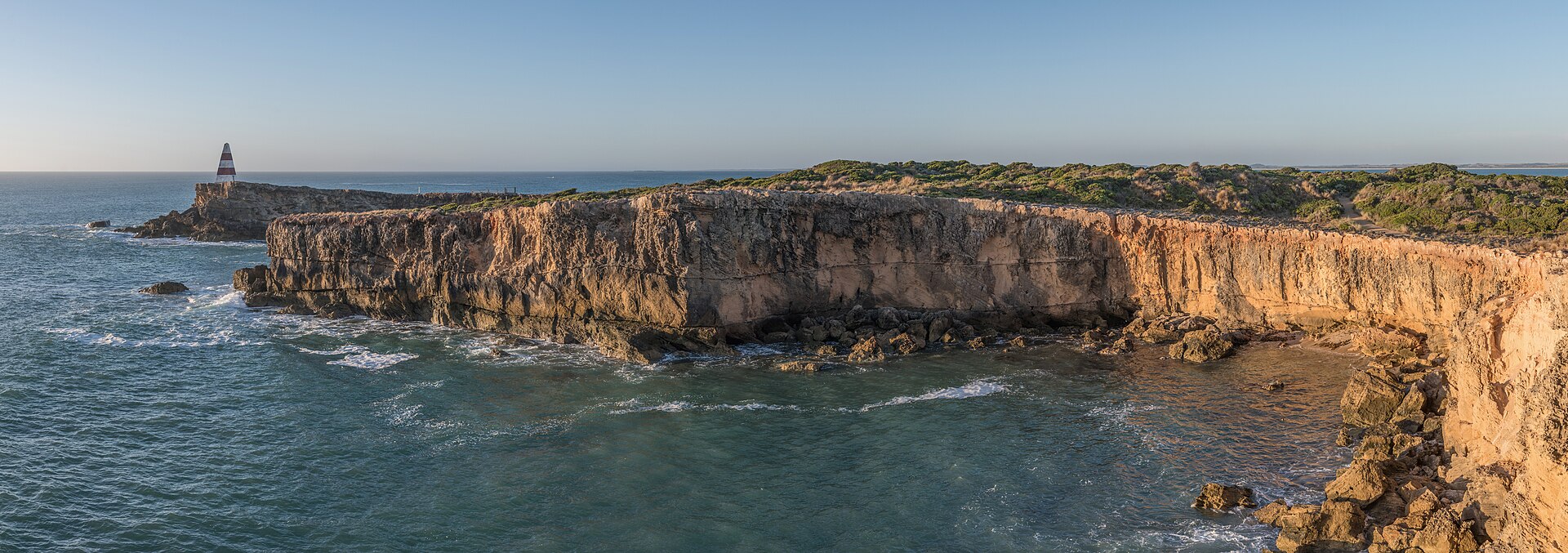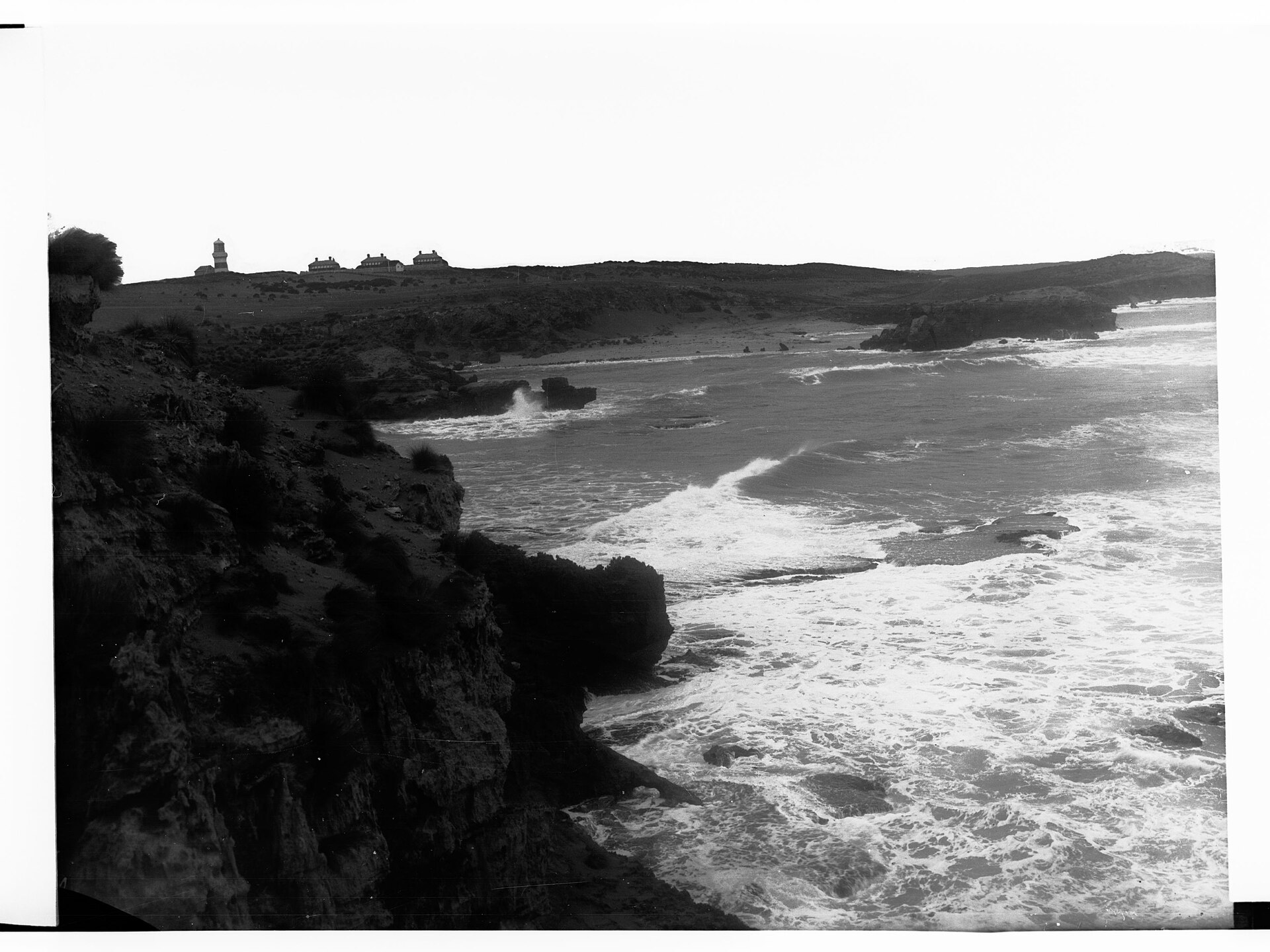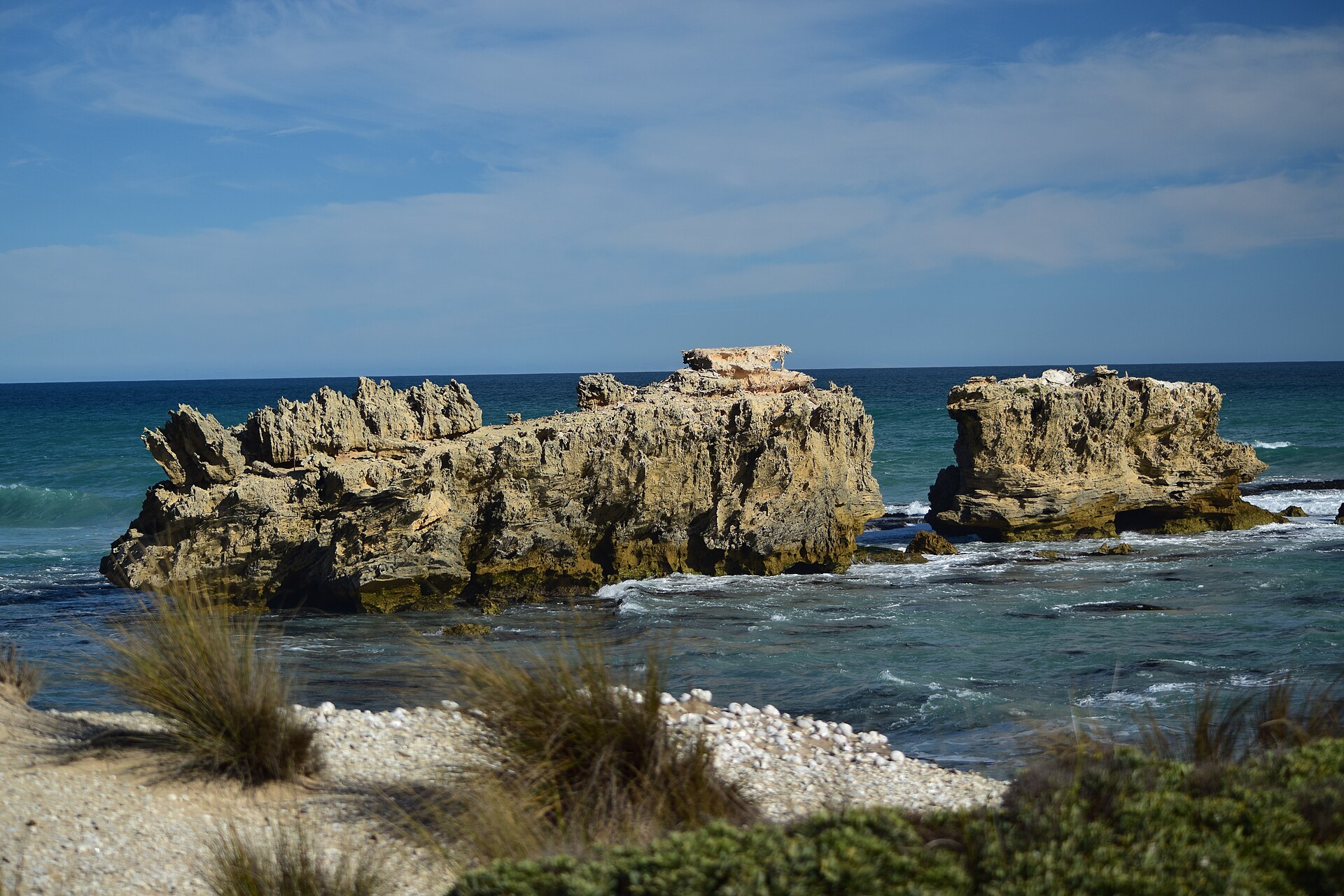
In the 1850s, tens of thousands of Chinese miners landed at Robe and set out on foot for the Victorian goldfields, in one of the great migrations of the gold rush.
A loophole at Guichen Bay
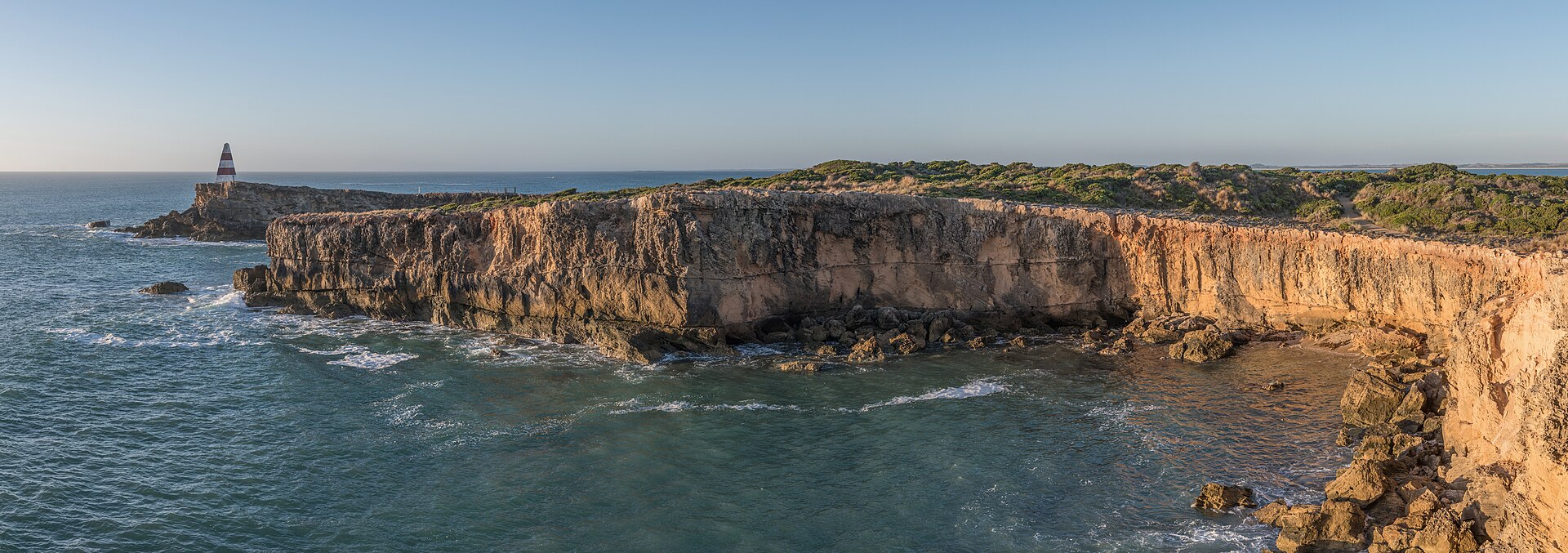
When the Victorian government imposed a punishing tax on Chinese arrivals at its ports in the mid-1850s, ship captains found a way around it: land their passengers across the border in South Australia instead. The little port of Robe, on Guichen Bay, became the chosen gateway.
Between 1856 and 1858, an estimated 16,000 or more Chinese miners disembarked at Robe, swelling the small town many times over before setting off overland.
The long walk
From Robe the miners faced a journey of some 400 kilometres on foot to the goldfields around Ballarat and Bendigo. Guided by local agents, they walked in long columns across the south-east, an arduous trek through unfamiliar and often hostile country.
Their passage left a deep mark on the region, from place names to wells dug along the route, and the story remains a defining chapter in Robe's history.
Remembering the journey
Today Robe honours this extraordinary migration with memorials and heritage walks that trace the miners' arrival and departure. It is a powerful reminder that this genteel holiday town was once the unlikely starting point for one of the largest organised migrations of the Australian gold rush.