





By Discover the Limestone Coast · · 5 min read
In the late 1850s the quiet port of Robe became the landing point for tens of thousands of Chinese miners, who walked hundreds of kilometres overland to dodge a Victorian entry tax.
A tax and a loophole
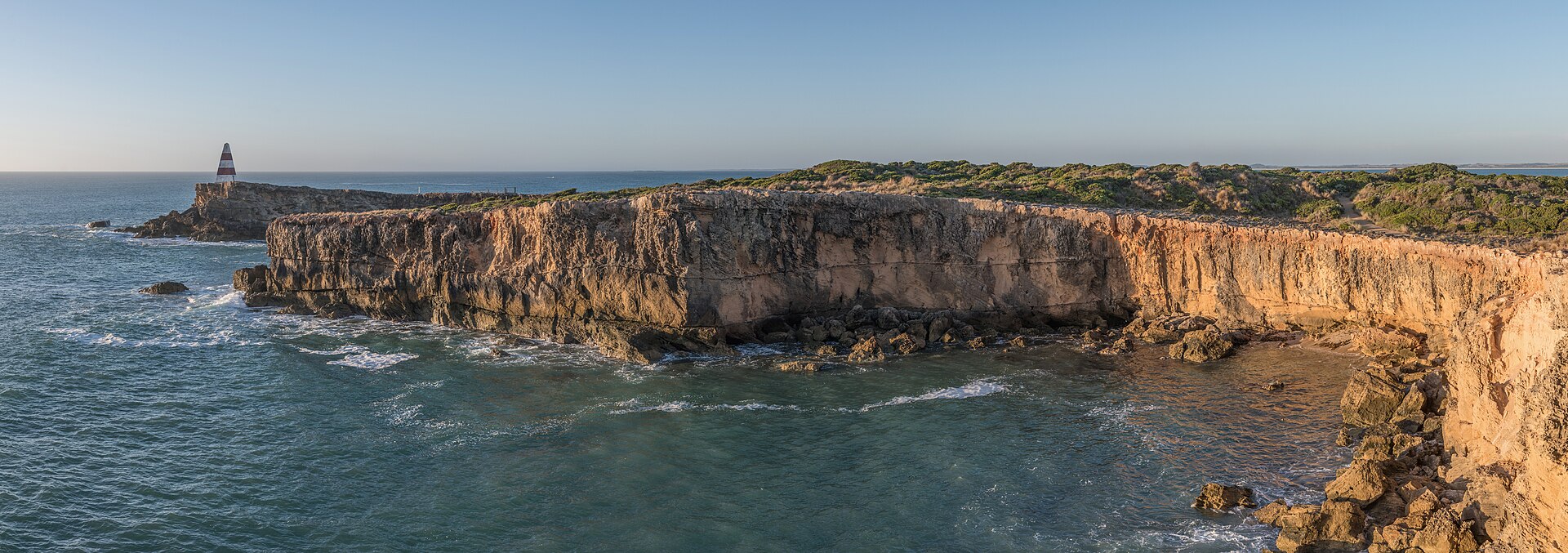
When Victoria imposed a punishing per-head tax on Chinese arrivals during the gold rush, ships simply diverted across the border to South Australia. The little port of Robe, with its safe anchorage, became the unlikely gateway.
Between 1857 and 1858, an estimated 16,000 Chinese miners came ashore at Robe and set out on foot for the Victorian diggings, a journey of more than 400 kilometres guided by maps and local agents.
Traces today
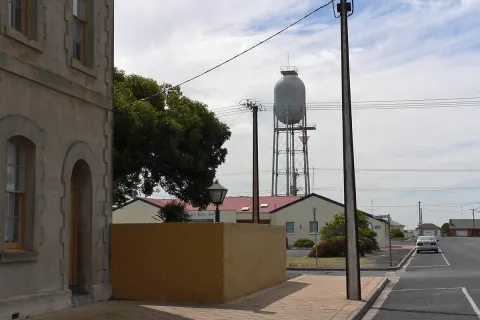
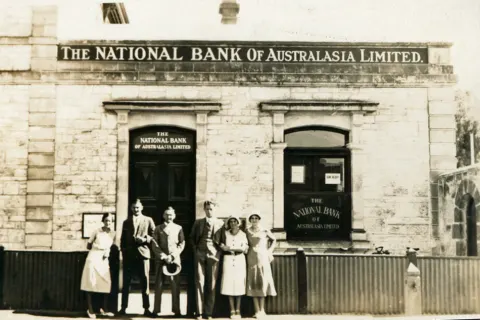
The Customs House on the foreshore, now a museum, managed that extraordinary traffic. Around the town and along the routes inland, plaques and place names still mark the passage of so many travellers through what was then one of South Australia's busiest ports.
A different Robe
It is hard, walking Robe's pretty streets today, to picture the crowded, chaotic port it briefly became. But that episode is woven into the town's identity, and into the broader story of how the goldfields drew the world to the bottom of Australia.