






By Marina Vos · · 7 min read
The water-filled sinkholes around Mount Gambier draw divers from around the world, into some of the most beautiful and demanding underwater caves on Earth.
Windows into the aquifer
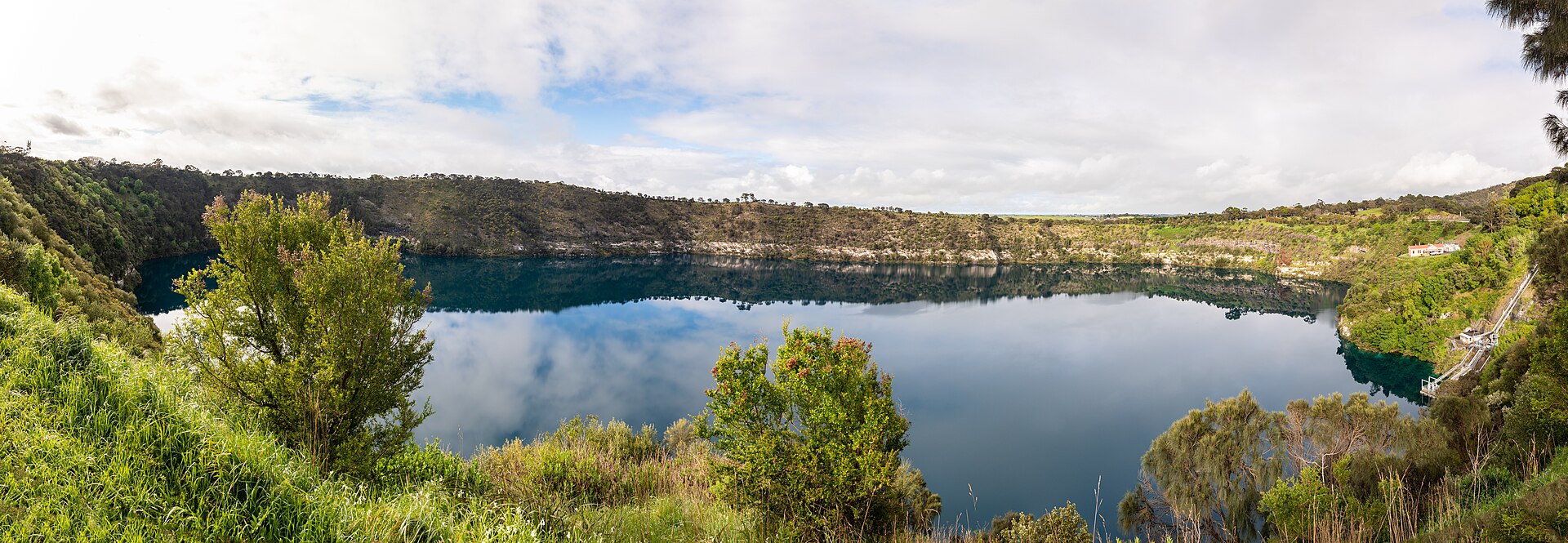
The same limestone that gives the region its caves also holds a vast underground aquifer, and where the rock has collapsed, that water lies exposed in flooded sinkholes of astonishing clarity. Mount Gambier and its surrounds have become a global pilgrimage site for cave divers.
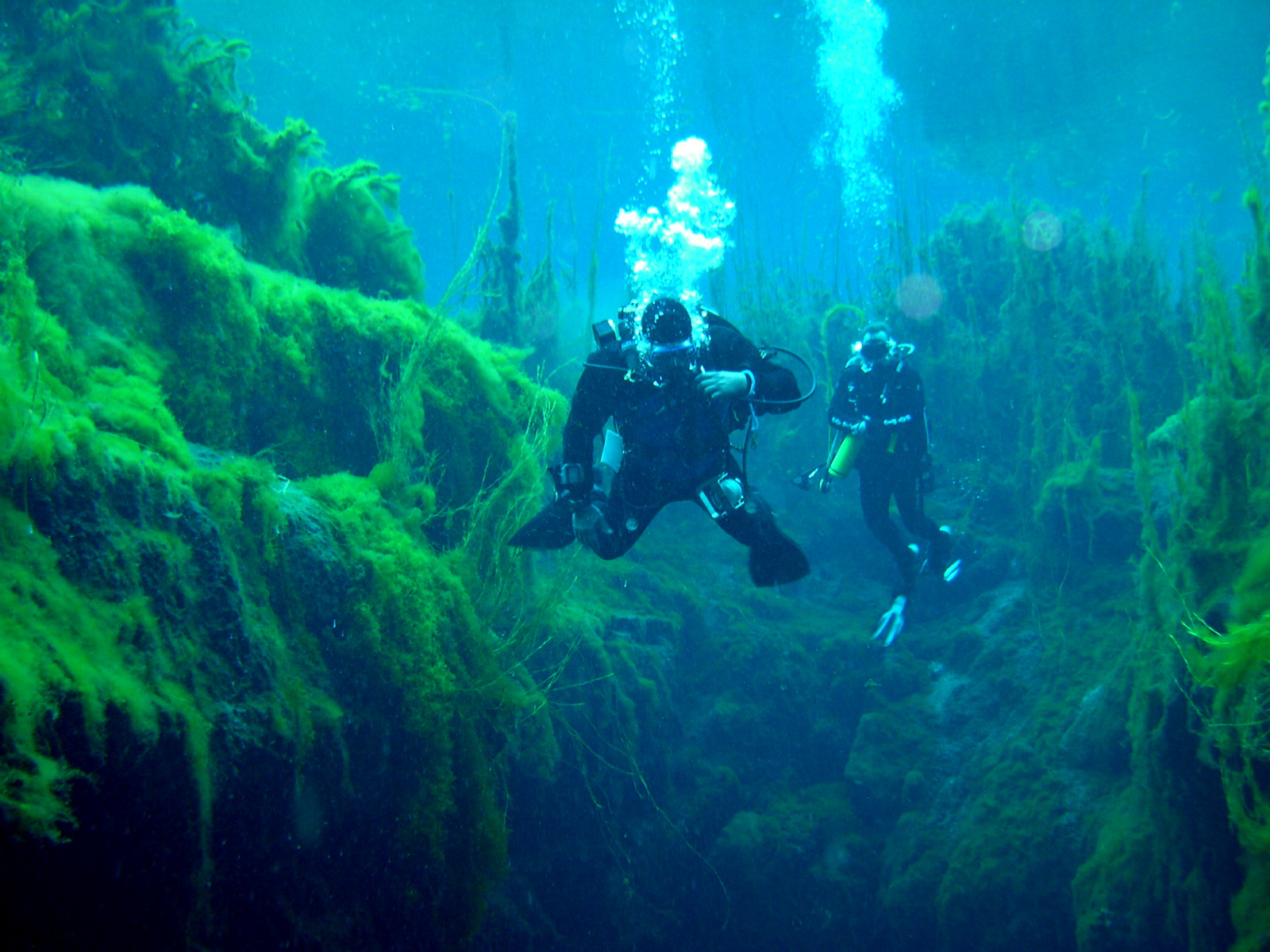
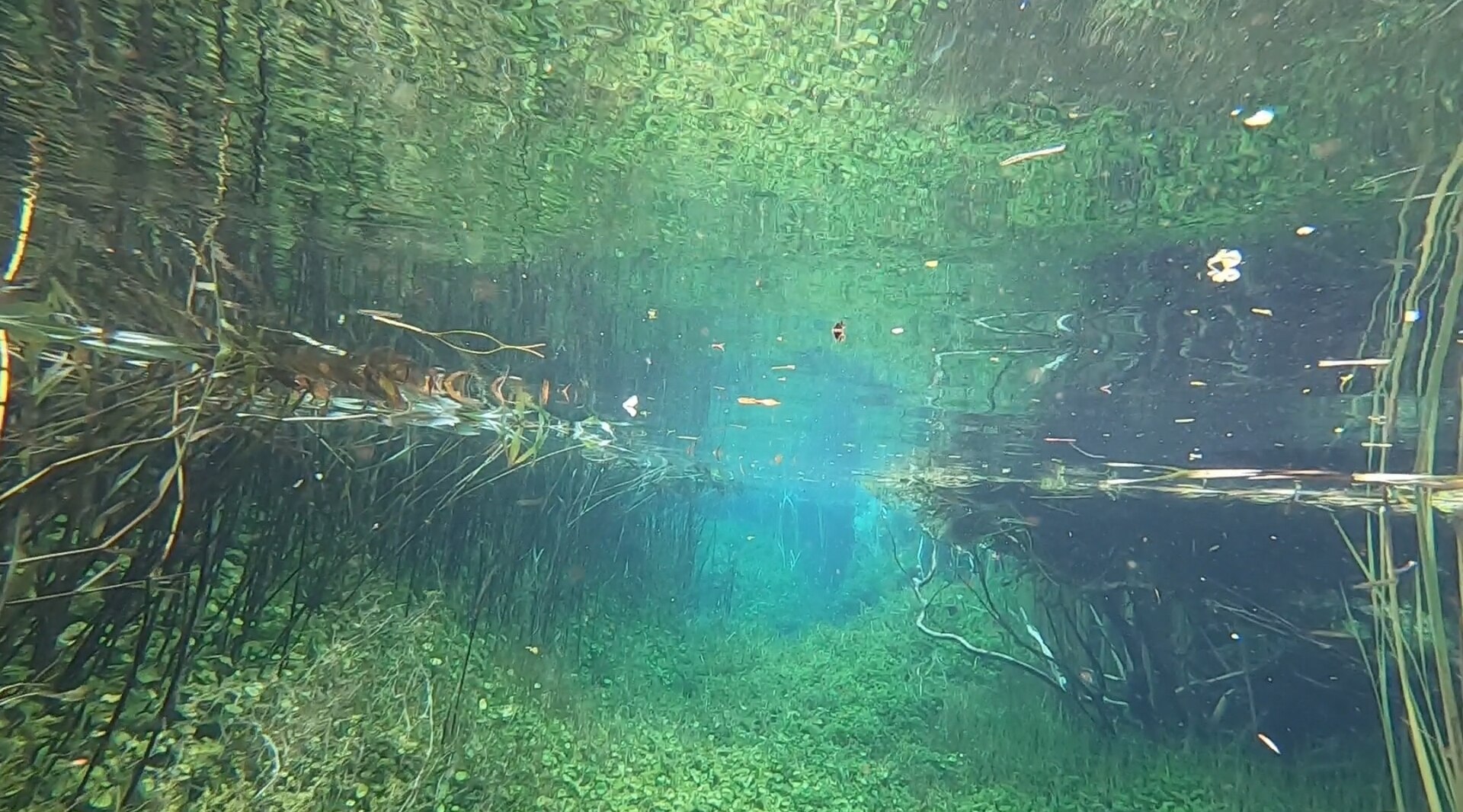
Sites like Engelbrecht Cave, the Shaft and Kilsby Sinkhole offer visibility measured in tens of metres, with shafts of sunlight cutting down through impossibly blue water into chambers far below. For trained divers, it is a landscape unlike anywhere else in the country.
Beauty and danger
Cave diving is unforgiving, and the region's history includes tragedy as well as wonder. A series of deaths in the 1970s led to the formation of the Cave Divers Association of Australia and a rigorous permit system that now governs access to the sinkholes.
That hard-won safety culture has made the Limestone Coast a model for cave diving worldwide. Access is tightly controlled, training is demanding, and the rules are written in memory of those who died learning them.
A world below the paddocks
For most visitors the closest encounter will be peering into the clear water of Little Blue Lake or watching divers prepare at Ewens Ponds. But beneath the green paddocks of the coast lies a hidden world of flooded cathedrals, and a community of divers who travel across the globe to explore it.