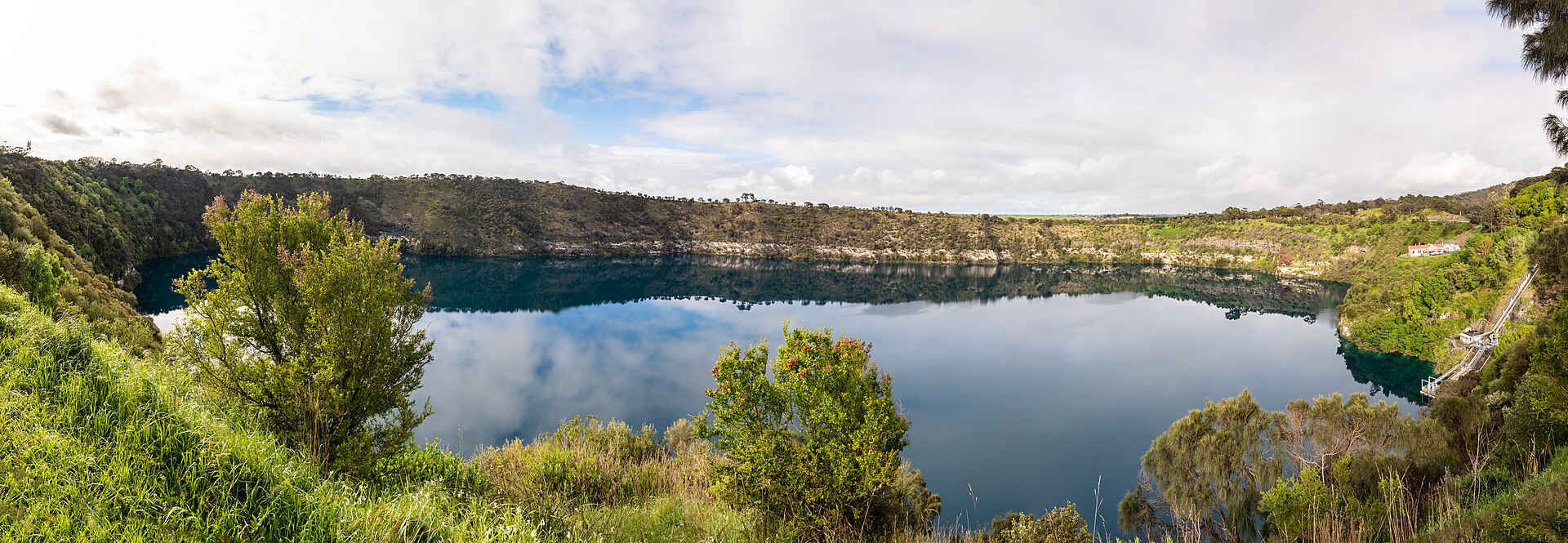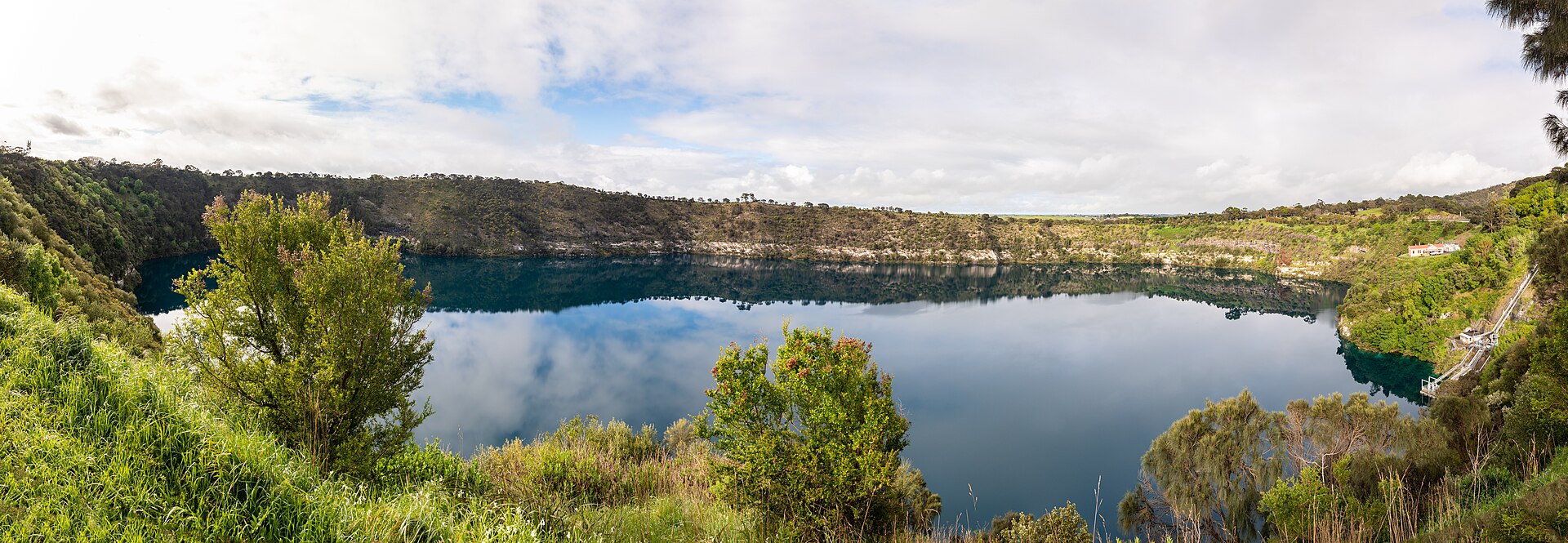
Each summer the Blue Lake turns an almost unreal shade of cobalt. We explain the volcanic story behind it and how to see it at its best.
Some natural wonders announce themselves slowly. The Blue Lake does it all at once. Drive up to the rim on a clear summer morning and the water below is an intense, luminous cobalt — a blue so saturated it looks like it has been switched on.
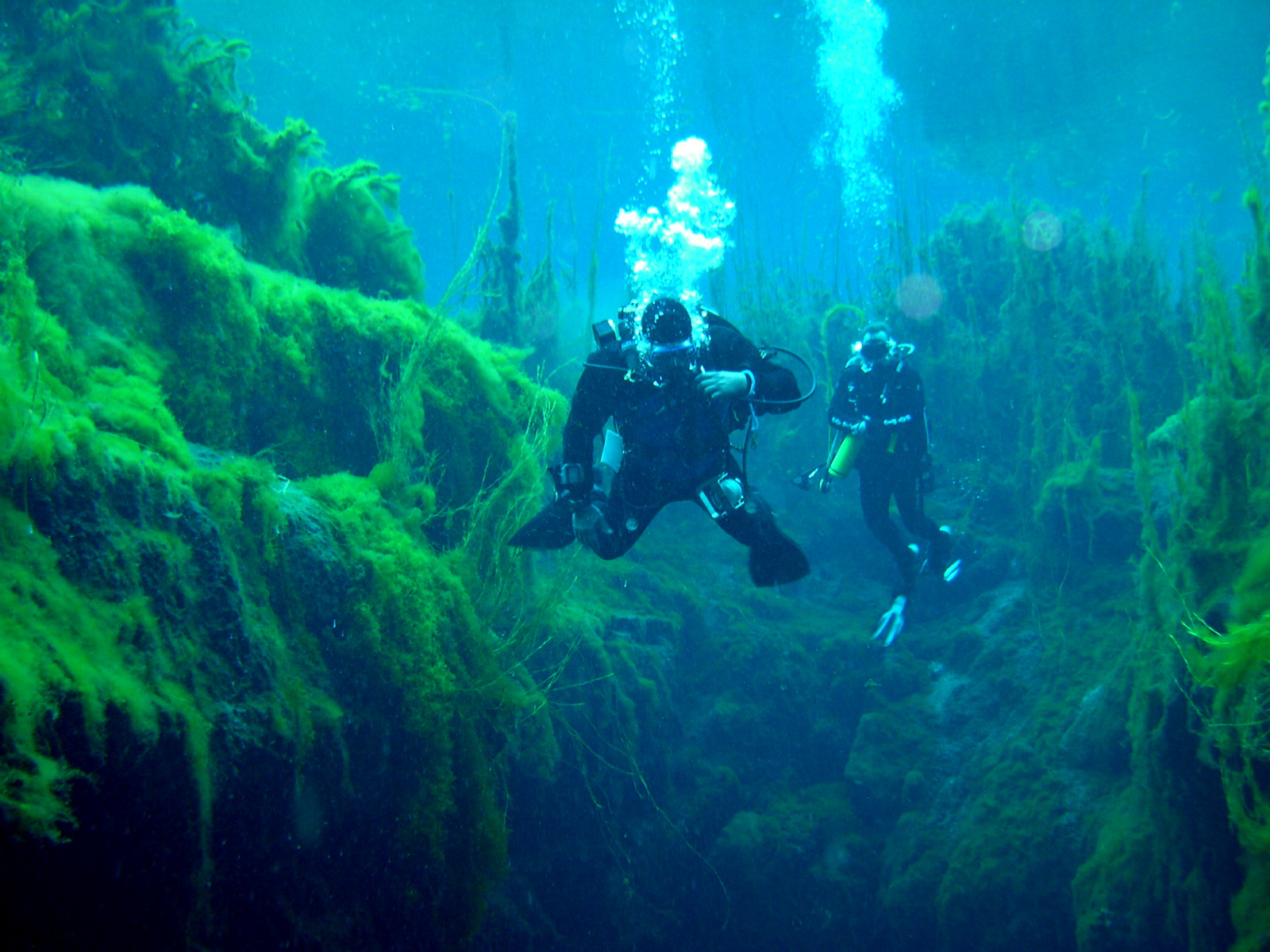
The lake fills one of several craters in the Mount Gambier maar volcanic complex, formed when rising magma met groundwater and erupted in violent steam explosions around 28,000 years ago. That makes it one of the youngest volcanoes on the Australian mainland. The crater is now flooded to a depth of up to 70 metres, and the lake doubles as the city's drinking-water supply.
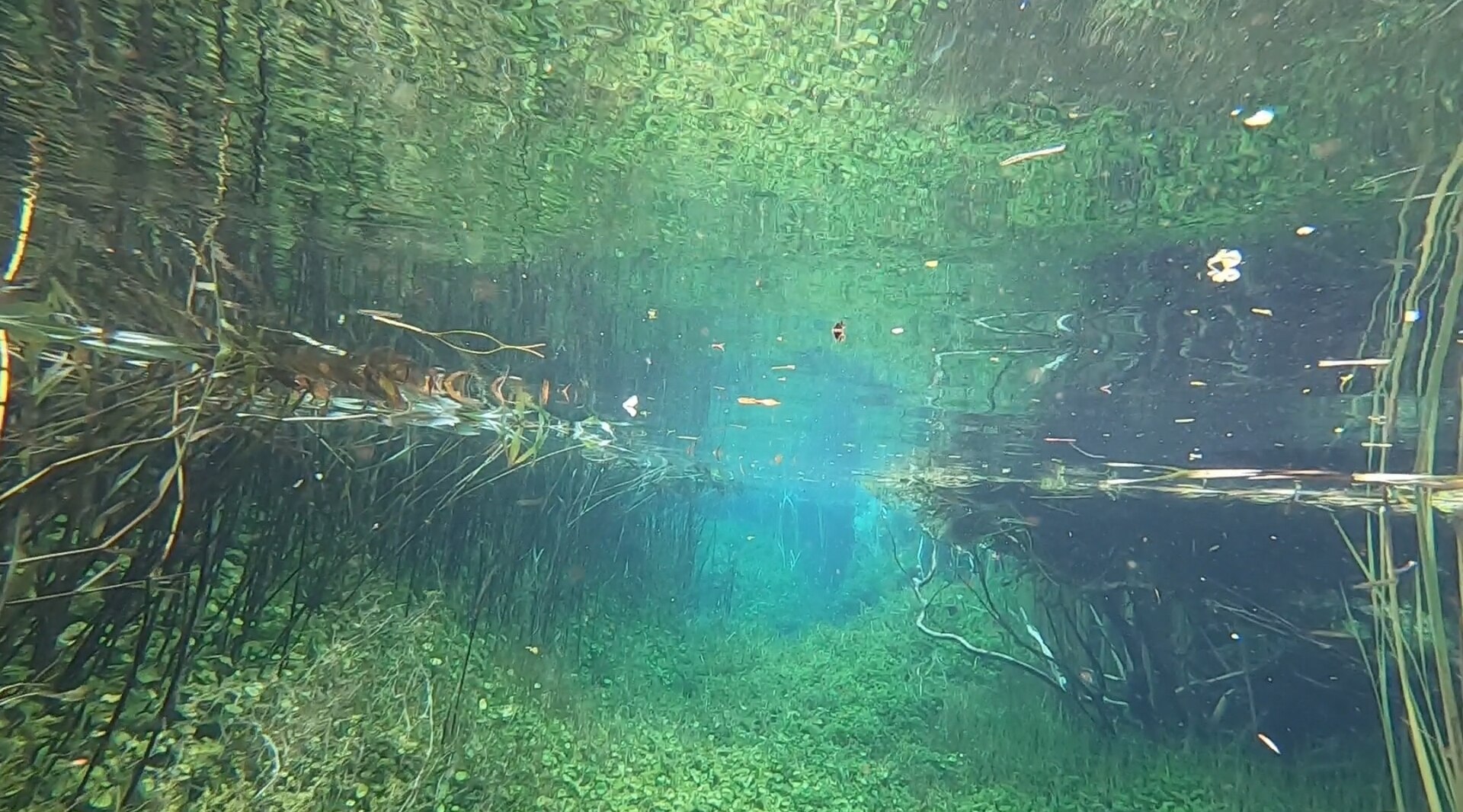
The colour change is the lake's great mystery and its great drawcard. Through the cooler months the water is a flat steel grey. Then, from around November, it shifts almost suddenly to brilliant blue, holding the colour through to autumn. The leading explanation involves temperature: as the surface water warms in summer, calcium carbonate crystallises out of it in tiny particles that scatter sunlight, favouring the blue end of the spectrum. As the water cools again, the crystals redissolve and the grey returns.
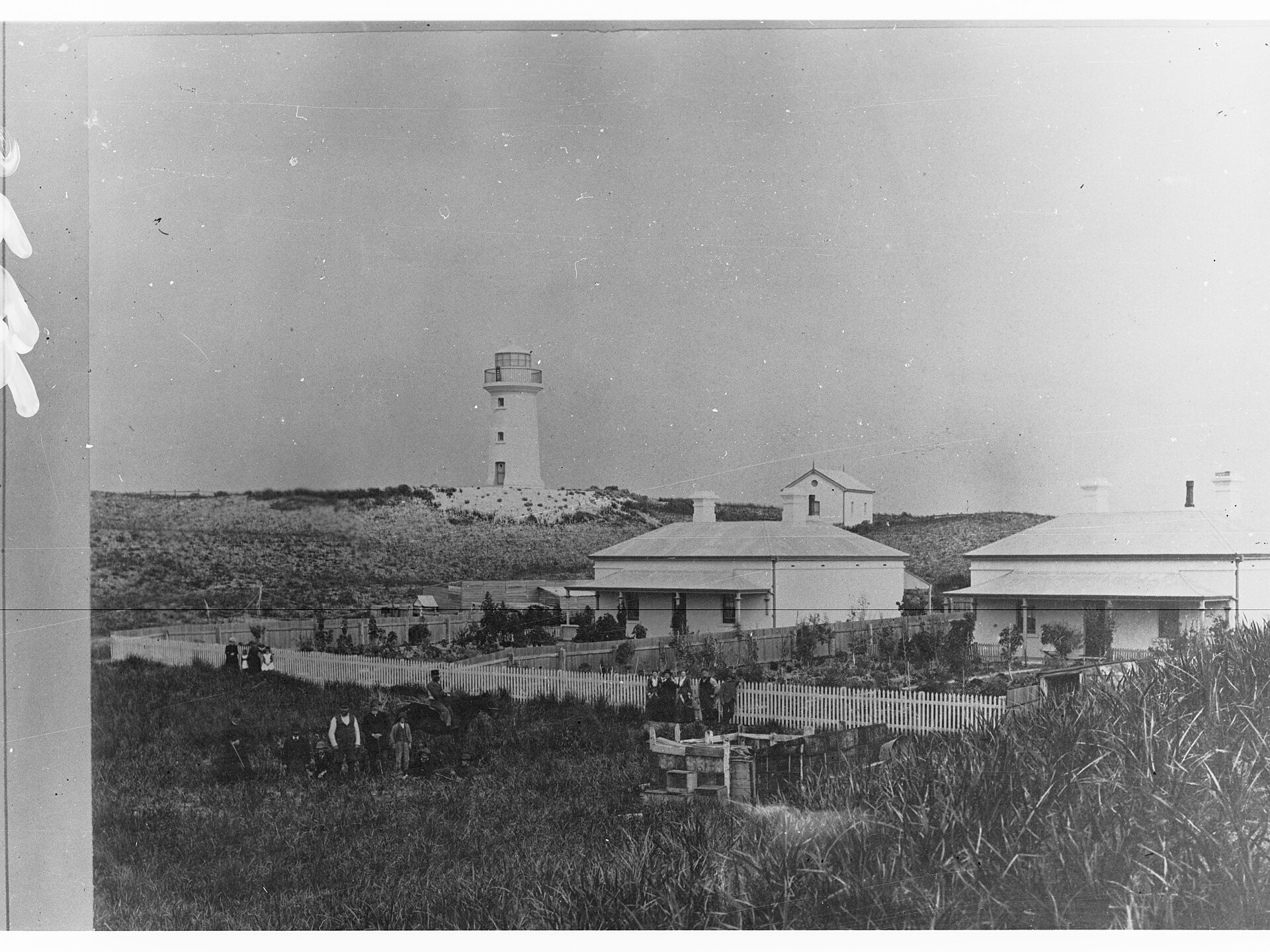
The best way to take it in is the 3.6-kilometre path that rings the rim, with lookouts positioned for the classic views. For a closer look, the Aquifer Tour descends through the historic 1880s pump station to a platform almost at the water's edge — the only way to legally reach the lake itself.
The Blue Lake is just the headline act. The same volcanic and limestone forces created the Umpherston Sinkhole, the Cave Garden in the city centre and the Little Blue Lake out toward Mount Schank — a whole landscape shaped by fire and water, all within a short drive.