In August 1859 the steamer Admella struck a reef off Cape Banks and broke apart in minutes. The week that followed became one of the most harrowing stories on the Australian coast.
Fifteen minutes
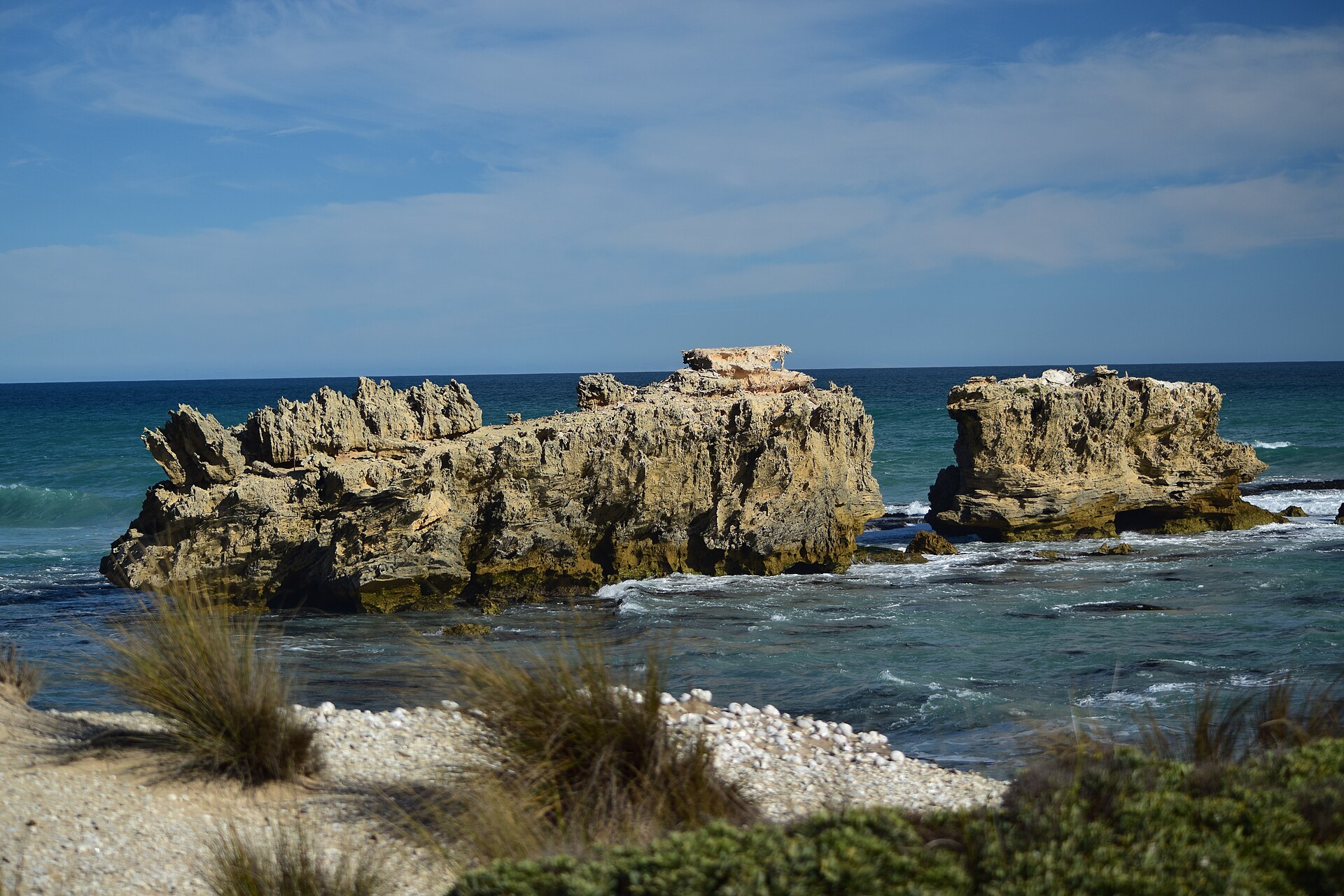
The Admella was a fast, modern steamer, a favourite on the Adelaide–Melbourne run. In the early hours of 6 August 1859 she struck a submerged reef off Carpenter Rocks, near Cape Banks, and in less than fifteen minutes broke into three pieces. Of the 113 people aboard, most survived the initial wreck - and that was the cruellest part of what followed.
In sight of land
The survivors clung to the broken hull within sight of the shore, but the surf made rescue almost impossible. For more than a week, ships and shore parties tried and failed to reach them. The steamers Corio and Ladybird stood off helplessly; rocket lines fell short; lifeboats capsized in the breakers. On the wreck, without fresh water, people died one by one of cold and exposure as rescuers watched from a few hundred metres away.
When the Portland lifeboat finally took the last survivors off on 13 August, eight days after the strike, only 24 of the 113 were left alive - among them a single woman, Bridget Ledwith. Eighty-nine people had died, fourteen of them children. It remains one of the worst maritime disasters in Australian history.
What the Admella changed
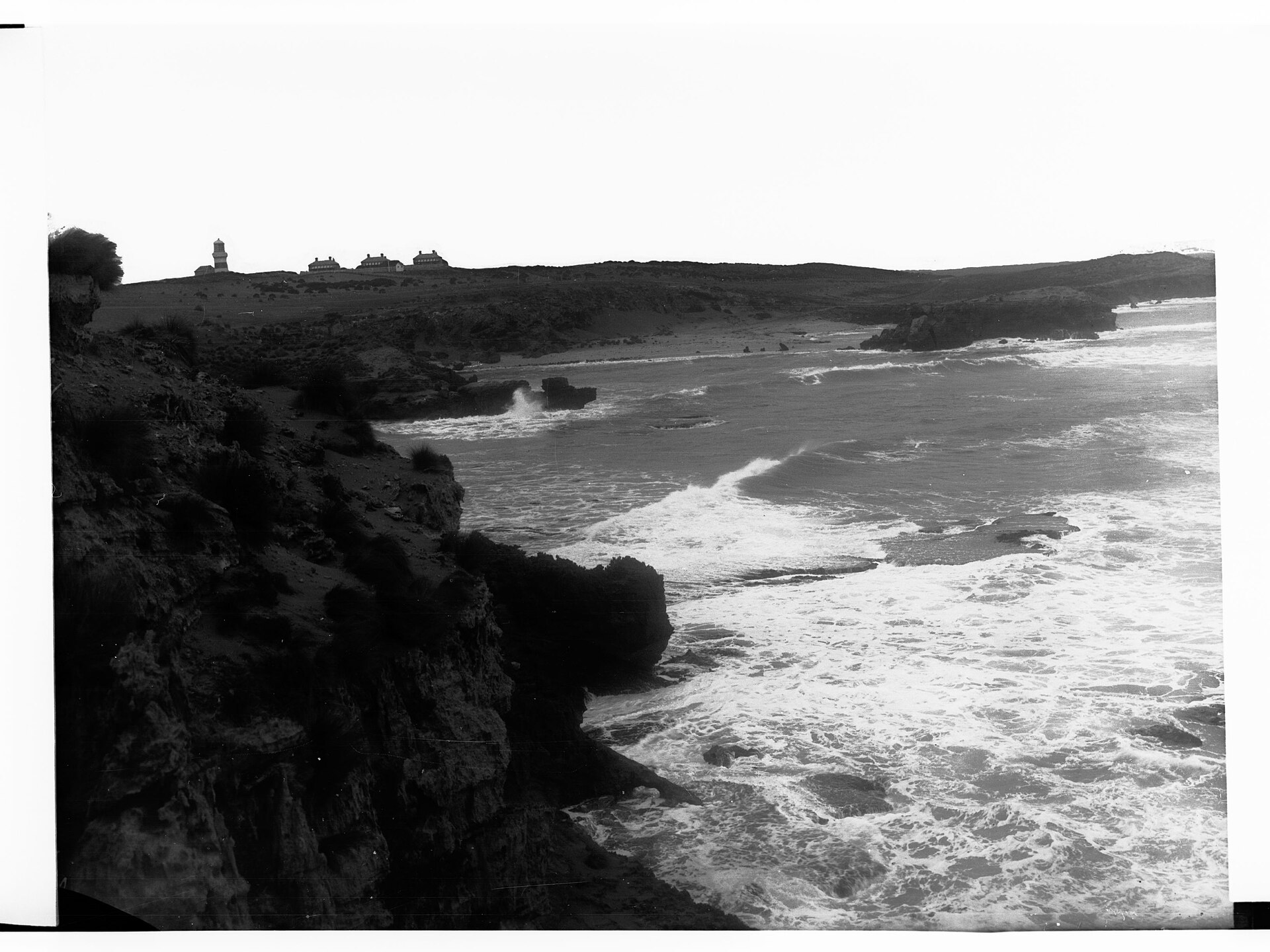
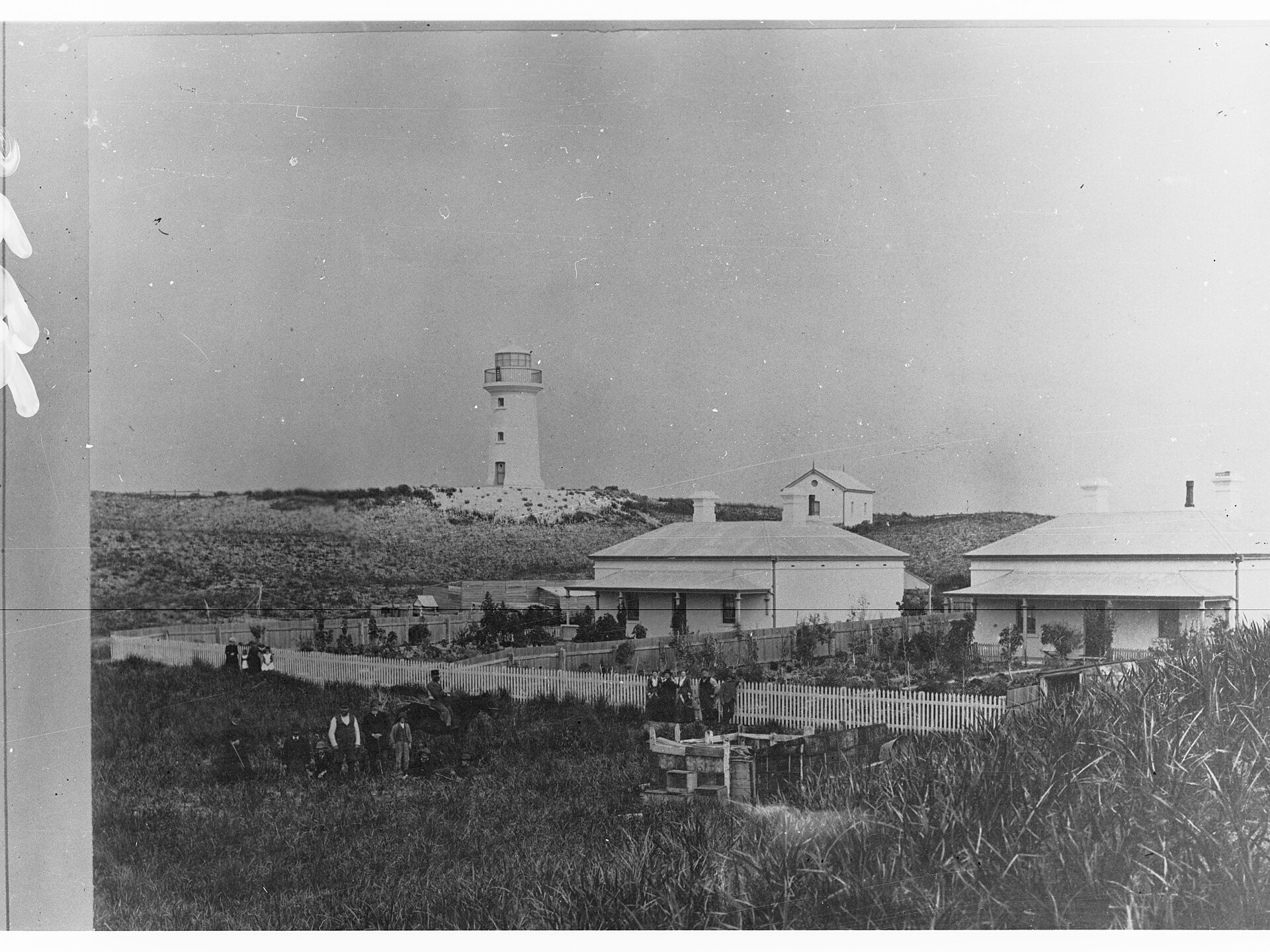
The catastrophe shocked the colonies. Public subscriptions raised relief funds for survivors and the families of the dead, medals were struck for the rescuers, and South Australia moved quickly to establish a proper lifeboat service. Lighthouses and pilot services along this coast were strengthened in the decades that followed - the lights at Cape Banks and Cape Northumberland still mark the reef-strewn waters that claimed the ship.
Tracing the story today
The Limestone Coast remembers the Admella well. The Admella Discovery Trail, created for the wreck's 150th anniversary in 2009, links 21 interpretive markers along the coast between Mount Gambier and the sea, telling the story where it happened. The richest collection of relics - including the ship's bell and a small bronze cannon - is held at the volunteer-run Port MacDonnell & District Maritime Museum, a few minutes from the foreshore of what was once one of the colony's busiest little ports.
Stand at Cape Banks on a rough day, watching the swell break white over the reefs, and the Admella story needs no embellishment at all. For more of this windswept corner of the coast, read our piece on Port MacDonnell, the southern edge.