



· 6 min read
The Limestone Coast hides some of the world's clearest freshwater. From gentle drift snorkels to deep cave dives, here's how to get beneath the surface.
The Limestone Coast keeps its best secrets underwater. Beneath the paddocks and pine plantations of the south-east lies a vast limestone aquifer, and where that groundwater wells up to the surface it does so with extraordinary clarity - water so clean that visibility can stretch beyond 40 metres.
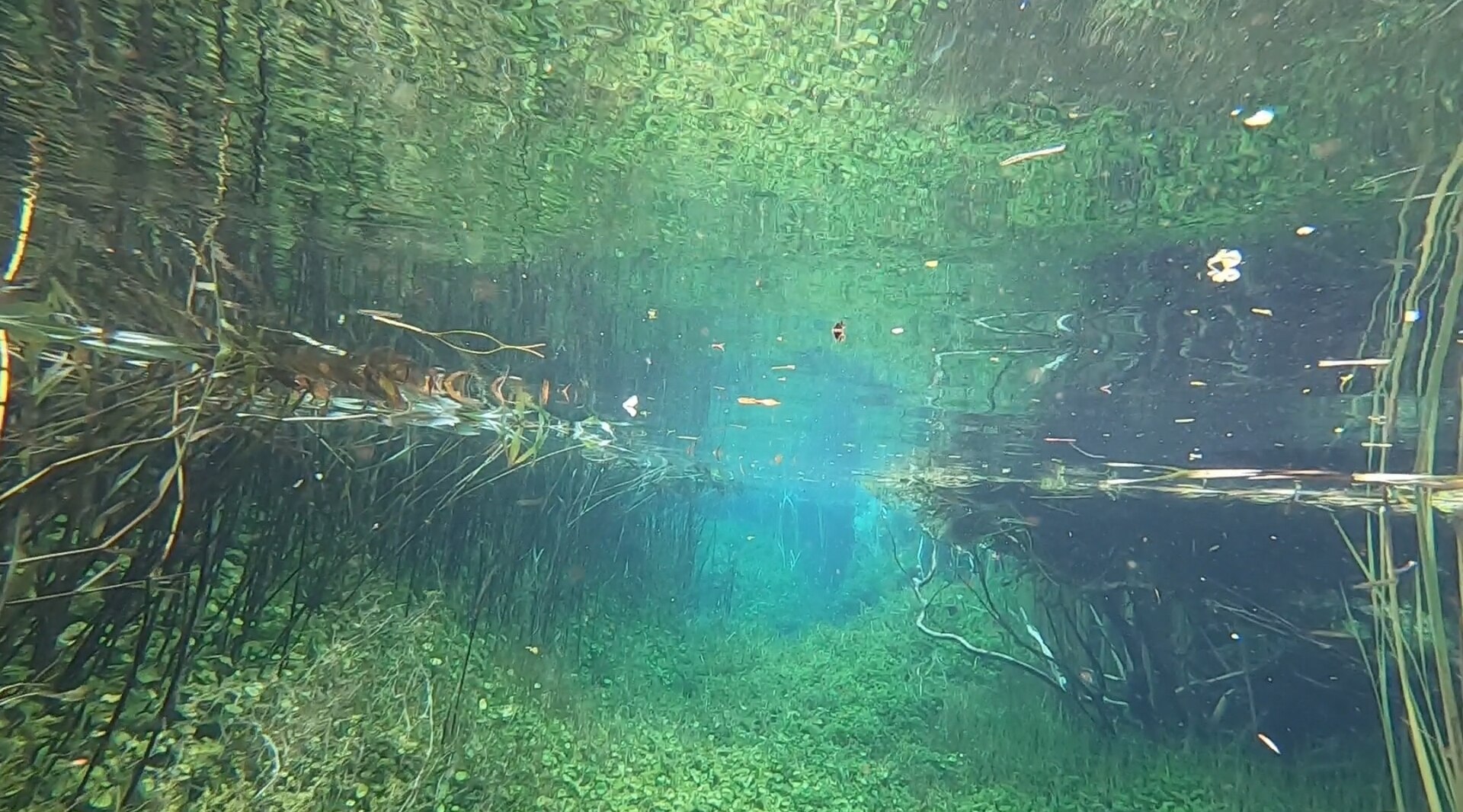
The gentlest introduction is Ewens Ponds, three deep, spring-fed pools linked by shallow channels. Snorkellers slip into the first pond and let the slow current carry them through, drifting over swaying water plants and small fish in water that stays cold and crystalline all year. It feels less like swimming and more like flying.
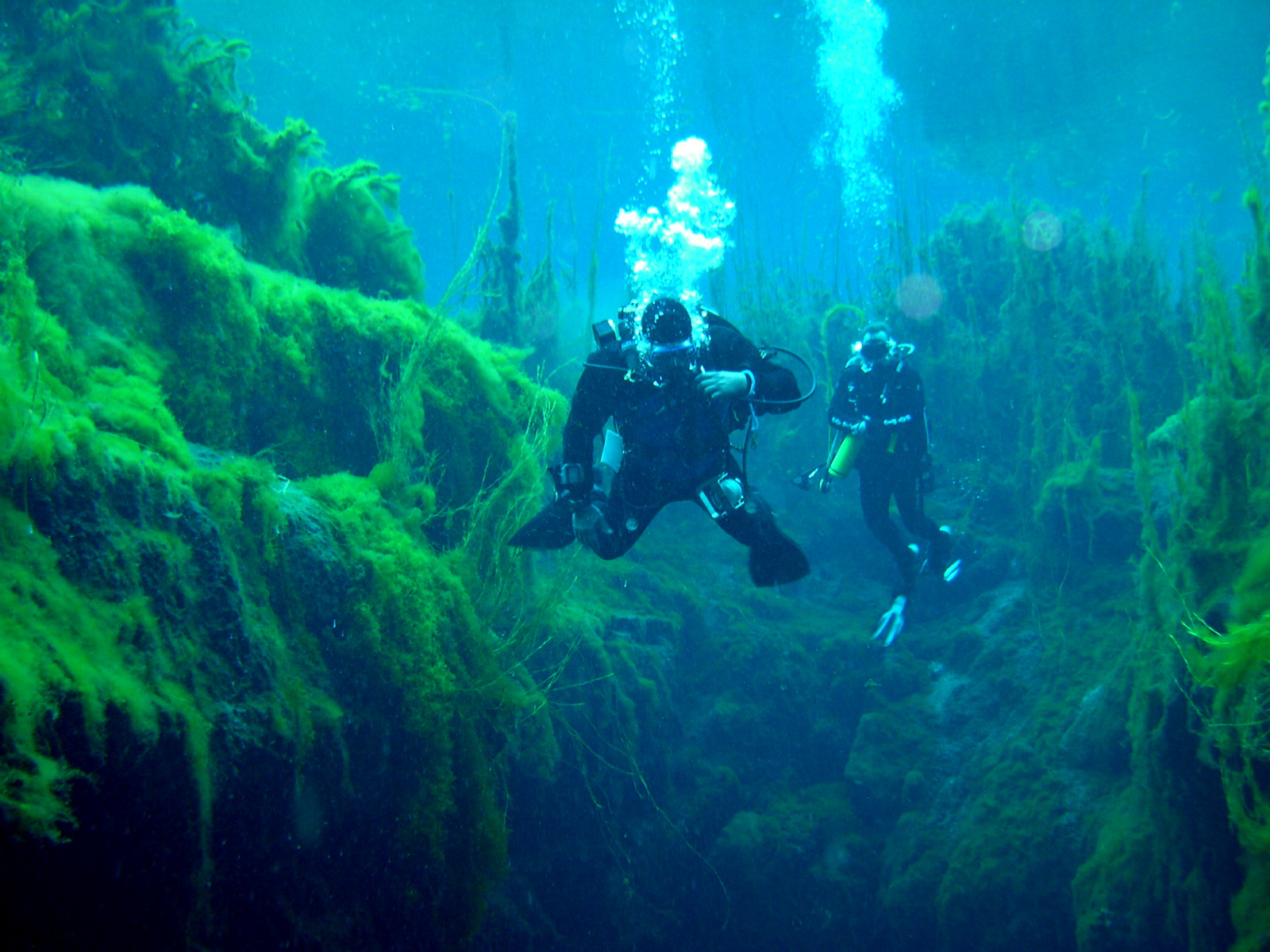
A short drive away, Piccaninnie Ponds raises the stakes. Non-divers can snorkel the shallow First Pond and the eerie 'Turkish Bath', but the real prize is the Chasm - a sheer underwater shaft that plunges beyond 100 metres into the dark. It is a world-renowned site for trained cave divers, and the visibility at depth is the stuff of legend.
Both sites are fragile and access is tightly controlled. Snorkelling and diving require permits booked in advance, with strict limits on the number of people and time in the water. A wetsuit is essential - the spring water is cold whatever the season.
Beyond the ponds lies a deeper world reserved for the most experienced. Flooded caves like those beneath Engelbrecht Cave in Mount Gambier draw technical cave divers from around the globe, exploring submerged passages by torchlight. It is serious, specialised territory - but it speaks to just how much water, and how much wonder, lies hidden beneath the Limestone Coast.