
By Discover Limestone Coast · · 6 min read
From Bool Lagoon's brolgas to the orange-bellied parrots that haunt the winter coast, the Limestone Coast is one of southern Australia's great birdwatching regions.
A region with feathers
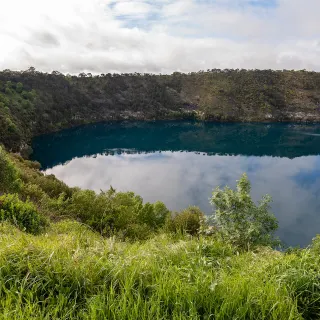
Water is the Limestone Coast's defining element, and where there is water there are birds. Even after a century of drainage, the region holds some of southern Australia's finest wetlands - and a birdwatching circuit here can deliver everything from dancing brolgas to one of the rarest parrots on Earth.
The great lagoon
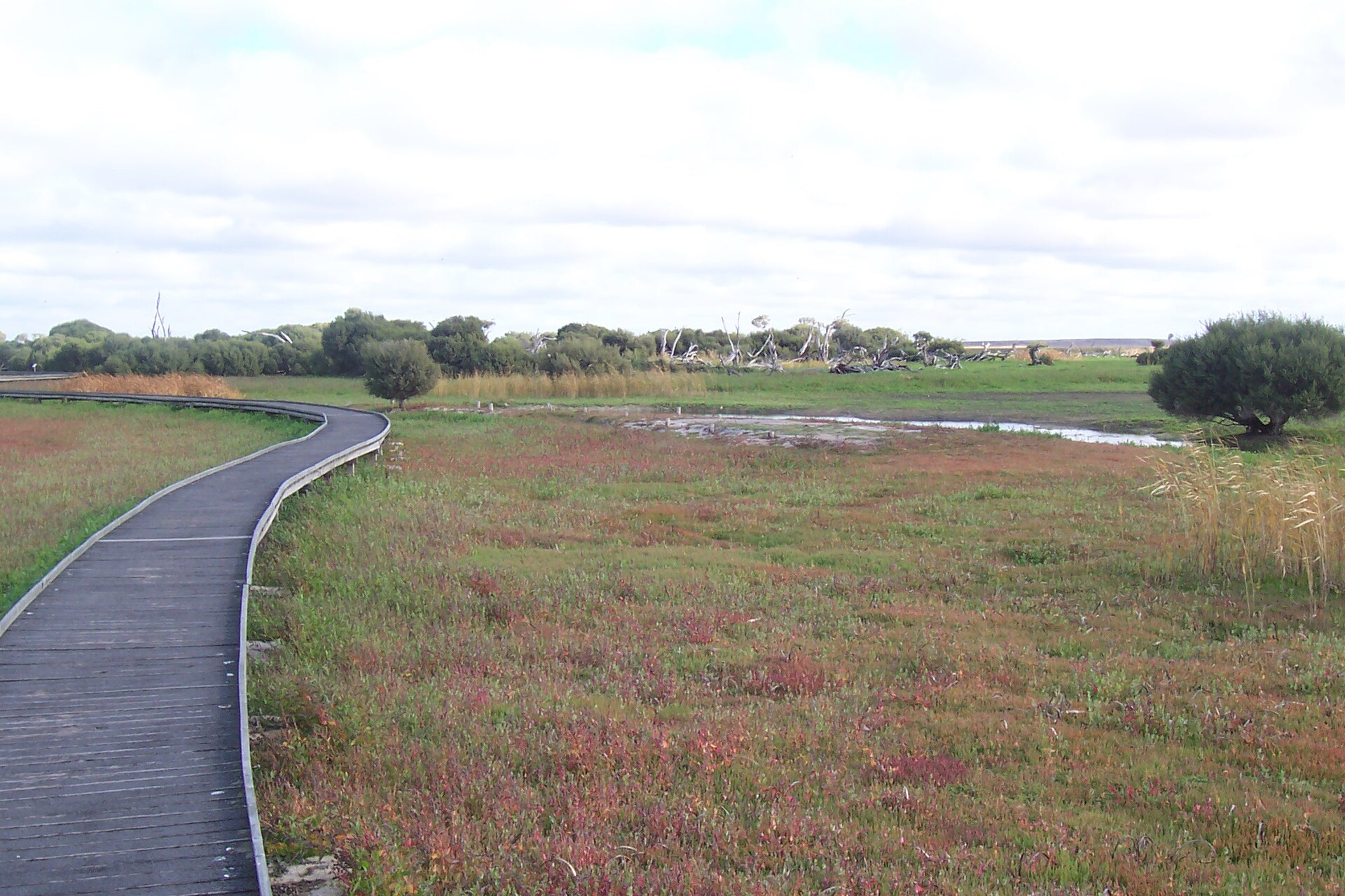
Start at Bool Lagoon, south of Naracoorte: a vast seasonal freshwater system that ranks among the most important wetlands in southern Australia. Boardwalks run out among the reed beds, where ibis nest in their thousands in good years, ducks raft in clouds, and the lagoon's most famous residents - brolgas - stalk the shallows. Summer and autumn, as the water draws down, concentrate the birds wonderfully.
Hides, lakes and reserves
Near Millicent, Lake McIntyre proves what a community can do with a former quarry: its hides and viewing points make it the region's easiest serious birdwatching, wheelchair-accessible and reliably busy with waterbirds. Behind Beachport, the broad shallows of Lake George pull in swans and migratory waders, while at Port MacDonnell the boardwalks of Germein Reserve wind through remnant swamp loud with frogs, wrens and honeyeaters.
The rarest visitor
Winter brings the coast's most precious guest. The orange-bellied parrot - critically endangered, with a wild population counted in mere dozens - migrates from Tasmania to the saltmarshes of the mainland coast, and the coastal reserves between Kingston SE and Port MacDonnell are among the places it has been recorded. The wetlands of Butcher Gap Conservation Park near Kingston are a known haunt; finding one takes luck and patience, but birders travel across the world for less.
Planning a circuit
A weekend works well: Bool Lagoon and Naracoorte's woodlands first, then down through Millicent's lakes to the coast. Bring binoculars, check water levels locally - seasonal wetlands are exactly that - and for more standing water worth a stop, see our guide to the best lakes on the Limestone Coast.